


You ask what an interfaith marriage is, and you expect a definition.
Instead, you get opinions.
Some people say it’s difficult. Others say it’s just about love and communication. In some countries, you’ll hear it’s not legally permitted at all.
The truth is more specific than that.
An interfaith marriage is when two people from different religions get legally married. That’s the definition. What it means in practice depends on something most couples don't consider early enough: which system you're getting married under. Legal rules, religious frameworks, and family expectations don't point in the same direction. Knowing which one you're navigating first makes all the difference.
What an Interfaith Marriage Actually Means (Beyond the Definition)
A Hindu and a Muslim. A Christian and a Jewish partner. Someone religious marrying someone who isn’t. The combination varies. The defining factor is that the partners don’t share the same religious identity.
What matters is how those differences interact with three separate systems:
- The legal system determines whether your marriage is valid.
- The religious system may or may not recognize the union.
- The family and cultural environment shape expectations around both.
Most advice online focuses on the third one. The first two create the real barriers. And the first one is the most straightforward to solve.
Do Interfaith Marriages Work?
Yes. But not because religion gets ignored.
The interfaith marriages that work are the ones where both partners understand what matters to each other, how decisions will be made, and what's actually negotiable. Different religions don't create instability. Ambiguity leads to assumptions that were never tested until they became conflicts.
Research on interfaith marriages points to the same thing: outcomes depend less on the religious difference itself and more on how expectations are aligned before and during the marriage. Couples who discuss traditions, family involvement, and long-term decisions early tend to navigate the practical and emotional sides of an interfaith marriage far more smoothly.
How Interfaith Marriage Works Legally in the U.S.
Here’s what surprises most couples: religion has nothing to do with whether your marriage is legally valid under U.S. law.
Legal marriage is handled by the state. Not by religious institutions. That means the government is only concerned with identity, consent, age, and documentation, not whether both partners share the same faith.
This is where assumptions cause problems. Many couples assume religious compatibility is required, or that holding a ceremony makes the marriage official. Neither is true.
Once you understand this distinction, the process becomes much easier to navigate.
Civil Marriage vs. Religious Marriage: Where the Difference Matters
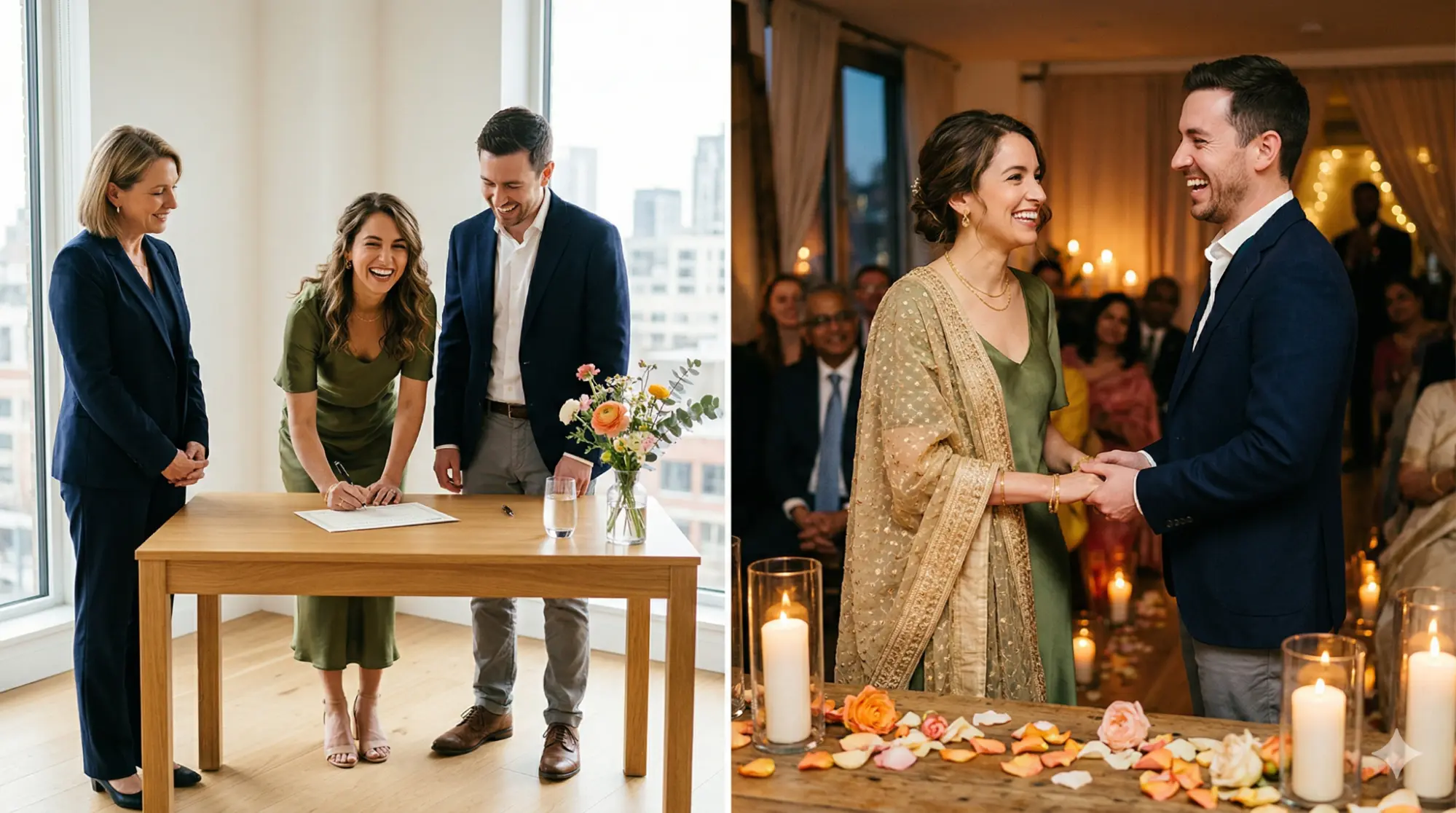
This is where most interfaith couples have to make a real decision.
A religious marriage follows the rules of a specific faith. That may involve conversion, specific rituals, or restrictions on who can marry whom. In some cases, interfaith unions aren’t recognized within that system at all.
A civil marriage is governed entirely by law. It doesn’t require religious alignment. It results in a government-issued marriage certificate, which is what USCIS accepts, what banks recognize, and what matters for name changes, immigration, and international documentation.
Because of this, many interfaith couples separate the two. They complete a civil marriage first to lock in legal validity, then decide separately how to approach religious or cultural ceremonies. That approach removes the uncertainty from the process without removing meaning from the relationship.
You don’t have to choose between a legally valid marriage and a meaningful ceremony. Most interfaith couples do both, just not always at the same time or in the same place.
Do You Need to Convert to Get Married?

This is one of the most common points of confusion, and the answer is no, not if you’re getting married through a civil process.
The U.S. government doesn’t evaluate religious compatibility. If you meet the legal requirements, including a valid ID, consent, marriage license, you’re eligible to marry regardless of your faith or your partner’s.
If you marry within a specific religious framework, that religion’s rules apply. Some allow interfaith marriages under certain conditions. Others require both partners to belong to the same faith. But that’s a religious requirement, not a legal one, and the two are entirely separate.
The Real Challenges of Interfaith Marriage
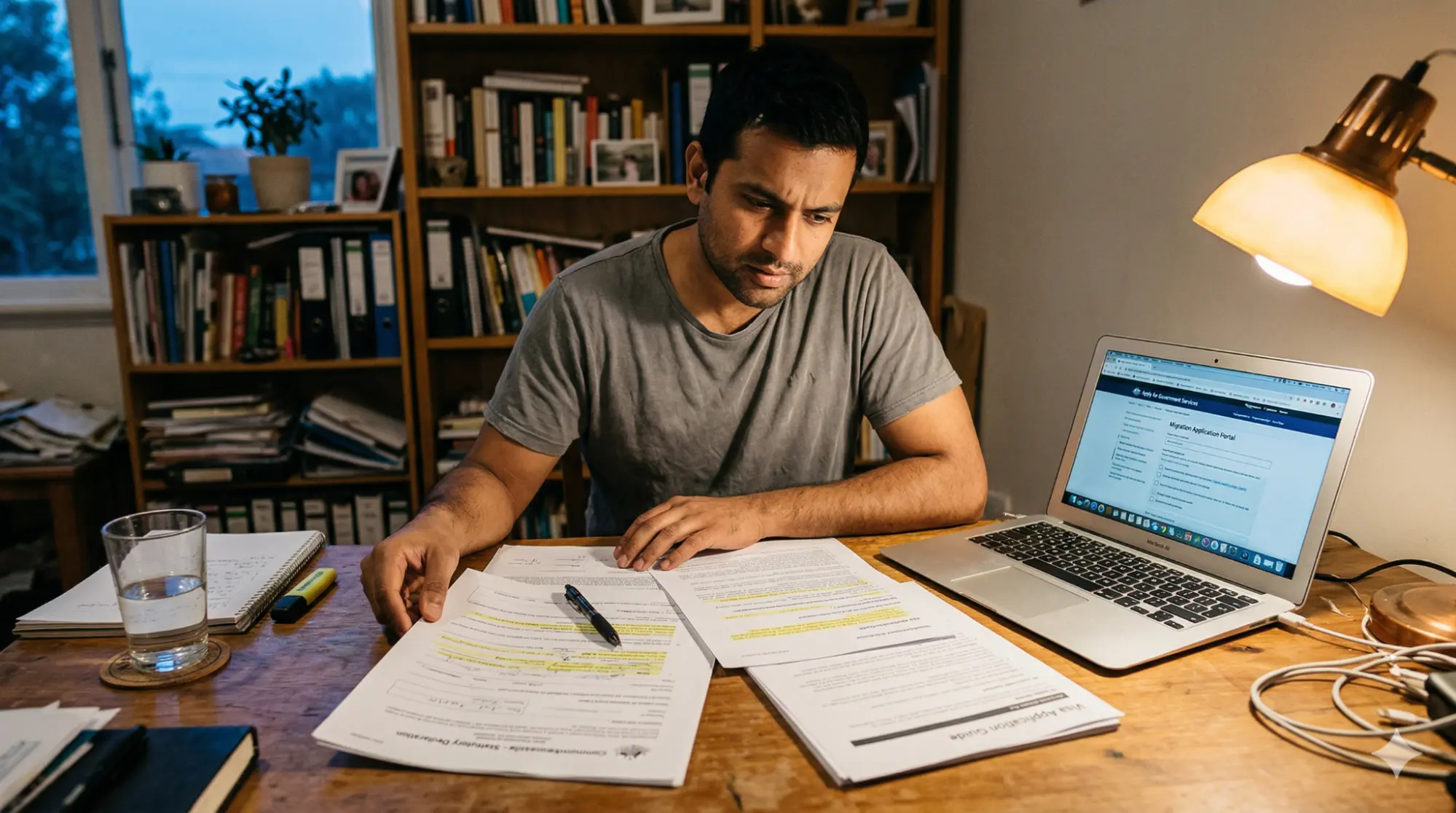
Interfaith marriages aren’t inherently harder. But they involve more variables, and those variables show up earlier than most people expect.
Legal complexity across jurisdictions
For international or binational couples, what’s legally valid in one country may require additional steps in another. A U.S. marriage certificate is recognized widely, but in many cases, you’ll need an apostille (an official State Department authentication) before it’s accepted abroad for immigration, visa, or legal purposes. That’s not a dealbreaker. It’s a step most couples don’t find out about until they need it urgently.
Religious expectations around the ceremony
Ceremony traditions, family involvement, and questions of religious identity can all introduce pressure, especially when both families have different expectations. The important distinction: those are personal decisions. They don’t affect whether your civil marriage is legally valid. Keeping those two tracks separate makes both easier to manage.
Documentation timing
For couples navigating visa applications or immigration processes, the marriage certificate isn’t just a keepsake; it’s a required document with a deadline attached. Getting the legal marriage completed and authenticated before that window closes is the most time-sensitive part of the process.
Here's what the timeline actually looks like in practice. A couple decides to get married. They assume the process will be simple. Then they start researching and realize the rules depend heavily on location, documentation, and which system, civil or religious, they're working within. The civil process in the U.S. is generally accessible. But for binational couples or those needing their certificate recognized abroad, the process doesn't end at the ceremony.
The couples who struggle most are the ones who didn't plan the documentation side until they needed it urgently. The process is manageable. But it rarely works on a timeline you didn't prepare for.
The Bottom Line
Interfaith marriage isn't as complicated as people make it sound. But it's not as simple as most advice suggests, either.
Separate legal requirements from religious expectations, and the path gets clearer. Under U.S. civil law, religion has no bearing on whether your marriage is valid. What matters is documentation, and once that’s handled properly, you have a foundation that holds up across immigration systems, visa applications, and legal processes worldwide.
If you're ready to make it legal regardless of where you are, what you believe, or what local laws say, Courtly handles it. Online, fully legal, open to all.
→ Start Your Legal Marriage with Courtly
Frequently Asked Questions
Does interfaith marriage affect how your marriage is recognized internationally?
Religion itself isn’t the issue. Recognition depends on whether the marriage is legally valid in the country where it was performed and whether the documentation meets the destination country’s requirements. For most countries, a U.S. marriage certificate with an apostille is sufficient. For countries outside the Hague Convention, like the UAE or Vietnam, embassy authentication is required instead.
Is it better to have a civil marriage before a religious ceremony?
For interfaith couples, yes, securing the civil marriage first removes legal uncertainty from the process. It gives you a government-issued certificate that’s valid regardless of how the religious side develops. You can still hold a religious or cultural ceremony separately, on your own timeline, without that decision affecting your legal status.
My partner’s church won’t recognize our marriage. Does that affect our legal status?
No. Religious recognition and legal validity are entirely separate. A civil marriage is valid under U.S. law regardless of whether any religious institution recognizes it. How that affects your personal or community relationships is a separate question, but your marriage certificate stands on its own.
Can an interfaith marriage create issues during the visa or immigration processes?
Only if the documentation isn’t in order. USCIS evaluates legal validity and authenticity, not religious compatibility. What matters is that your marriage certificate is government-issued, properly authenticated if needed (apostille or embassy), and that the marriage meets the legal requirements of the jurisdiction where it was performed. Courtly’s certificates are USCIS-accepted and include recognition guidance for 150+ countries.
Do we need to be physically present in the U.S. to get legally married here?
No. Courtly conducts 100% online legal marriage ceremonies under Utah County jurisdiction. Both partners can be anywhere in the world. The marriage is performed by a U.S.-licensed officiant, and you receive a government-issued certificate valid under U.S. law without travel, in-person appointments, or residency requirements.
Is interfaith marriage more complicated than same-faith marriage?
Not legally. Under U.S. civil law, there’s no distinction. The additional complexity in interfaith marriages usually comes from coordinating religious expectations, family involvement, and documentation for international recognition, not from the legal process itself. The legal side is the easiest part to solve cleanly.
Let us handle the paperwork.
Getting married is complicated. Courtly simplifies the process and provides everything necessary to get married online, including providing a licensed officiant who can perform a remote ceremony.
Get Married

Get married online.
Getting married is complicated. Courtly simplifies the process and provides everything necessary to get married online.

