

Online marriage and in-person marriage can both produce a legally valid marriage, but they differ in process, cost, ceremony experience, and how easily the certificate is recognized by agencies and foreign governments. Online marriage works best when distance or timing barriers make an in-person ceremony impractical. In-person marriage provides simpler downstream recognition and a shared physical experience. The right choice depends on what you need the marriage certificate to do next.
Quick Answer
If your goal is simply to become legally married despite living in different locations, an online marriage can be just as legally valid as an in-person marriage when performed through a jurisdiction that permits remote solemnization, such as Utah County. However, if you expect to use your marriage certificate for immigration, foreign registration, or government agencies, an in-person marriage is generally recognized more easily and requires less additional documentation.
Online Marriage vs In-Person Marriage at a Glance
If You Need... | Best Choice |
|---|---|
Fast legal marriage | Online Marriage |
Lowest overall cost | Online Marriage |
Traditional ceremony | In-Person Marriage |
Easier immigration documentation | In-Person Marriage |
International recognition | Usually In-Person |
Long-distance relationship | Online Marriage |
Military deployment | Online Marriage |
Family celebration | In-Person Marriage |
What Online Marriage Means
An online marriage is a legally solemnized marriage where some or all steps happen remotely. This typically includes a digital license application, identity verification, a video ceremony with an authorized officiant, electronic submission of the completed license, and delivery of a marriage certificate.
The clearest U.S. example is Utah County, where couples can apply online, verify identity with government-issued photo ID and facial recognition, pay the $71.75 license fee digitally, join a live video ceremony, and receive a digital certified copy after the officiant submits the license. There is no waiting period, and the license expires after 32 days.
Not every state offers anything close to this. A 2026 ITIF analysis found that most states still require in-person visits or paper forms for at least one marriage step. Utah stands out because its law explicitly allows remote ceremonies when the officiant is physically present in the state.
If you’re exploring a remote marriage, Courtly’s online marriage license page explains how the process works from application to certificate.
What In-Person Marriage Means
An in-person marriage is the traditional model. The couple, officiant, and any required witnesses appear physically in the same location. They complete the ceremony, sign the license, and the officiant files it with the local clerk. The county or city then records the marriage and issues certified copies.
This remains the default across most U.S. jurisdictions. The same ITIF study noted that most states still tie marriage licensing, ceremony, and certificate processes to physical appearances, wet signatures, and paper forms.
In-person marriage can range from a simple courthouse ceremony costing under $100 to a full traditional wedding. The Knot’s 2026 study reported that U.S. couples married in 2025 spent an average of $34,000, with 117 guests and 13 vendors. Many couples fall somewhere in between.
Are Both Legally Valid?
Yes. Both online marriage and in-person marriage can result in a legally valid marriage. The determining factor is jurisdiction.
For in-person marriage, validity depends on following the rules of the state and county where the ceremony takes place. For online marriage, validity depends on whether the jurisdiction explicitly permits remote solemnization and whether every legal requirement (license, officiant, witnesses, consent) is properly met.
Utah law is specific on this point. Under Utah Code, a marriage license is considered used within Utah if the officiant is physically present in the state at the time of solemnization, even if the couple is somewhere else entirely. That framework is what makes Utah remote appearance marriages valid under Utah law.
But there is an important caveat. Legal in the issuing jurisdiction does not automatically mean accepted everywhere. Utah County itself warns couples that a marriage solemnized through online remote appearance “may be invalid in the country where the parties reside.” For a deeper look at this question, see the guide on whether online weddings are legal.
Three Layers of Marriage Recognition
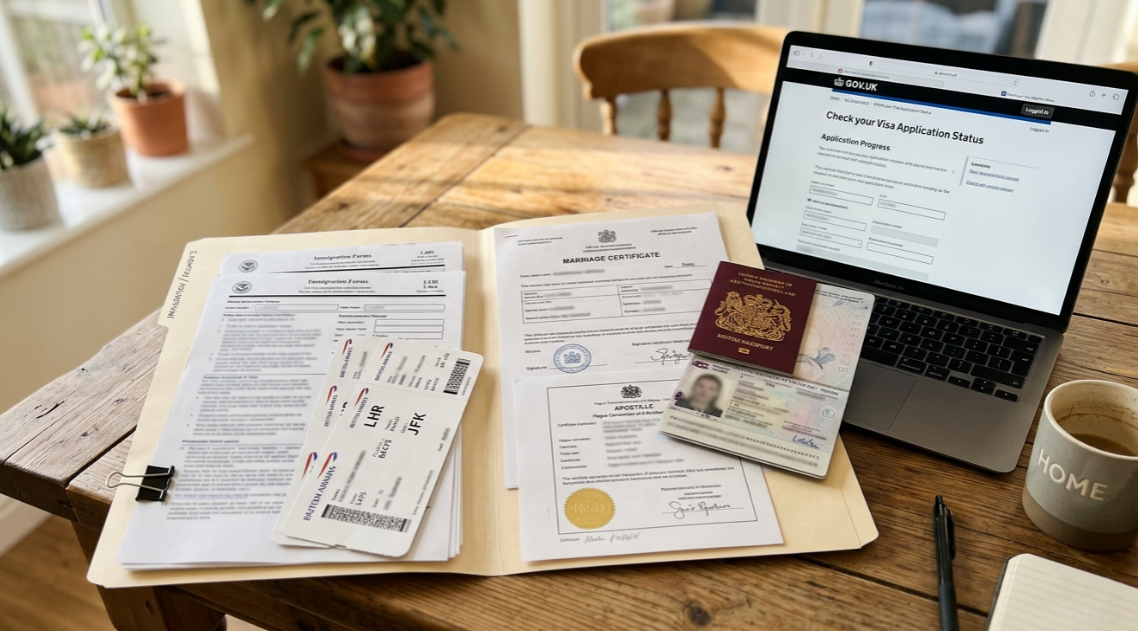
When comparing online marriage vs in-person marriage, most people fixate on one question: “Is it legal?” That question is too simple. There are actually three layers to think about, and understanding them will save you confusion later.
Layer 1: Legal formation. Was the marriage validly created under the rules of the jurisdiction? For a Utah remote ceremony, this means valid license, authorized officiant physically in Utah, proper consent, and at least two witnesses on live video.
Layer 2: Institutional recognition. Will the relevant agency accept it? USCIS, foreign immigration authorities, employers, insurance companies, and military offices each have their own standards. A marriage valid in Utah might still face questions elsewhere.
Layer 3: Document usability. Can the certificate be used where needed? For international use, couples may need an apostille or authentication certificate. For domestic use, a certified copy from the county is usually enough.
A marriage can clear Layer 1 (legally valid in Utah) and still create problems at Layer 2 or 3. In-person marriages face fewer questions at these later layers simply because physical presence is the historical norm. Online marriages may require more documentation to satisfy the same agencies.
Key Differences Between Online Marriage and In-Person Marriage
Although both methods can produce a legally valid marriage, they differ in several important ways.
Feature | Online Marriage | In-Person Marriage |
|---|---|---|
Ceremony location | Remote video | Physical location |
Travel required | No | Yes |
Witness attendance | Often remote | Usually in person |
Processing speed | Often days | Days to weeks |
Immigration documentation | More scrutiny possible | Usually simpler |
International acceptance | Country dependent | More widely accepted |
Cost | Usually lower | Varies widely |
Online Marriage, Virtual Wedding, Proxy Marriage: What’s the Difference?
One of the biggest confusion points in the online marriage vs in-person marriage debate is terminology. These four terms mean different things, and mixing them up causes real problems.
Online marriage refers to a legally binding marriage completed through digital and remote steps under a jurisdiction that permits it.
Virtual wedding is a ceremony or celebration streamed online. It may or may not be legally binding. A couple can have a virtual wedding celebration after getting legally married in person, or combine it with a legal remote ceremony where allowed.
Remote appearance ceremony is a live video-conference ceremony where all participants appear in real time. Utah County requires both applicants and two witnesses (age 18 or older) on live video, and the officiant verifies identity before starting.
Proxy marriage is a marriage where one or both parties are absent and someone stands in for them. For U.S. immigration purposes, USCIS does not recognize proxy marriages unless they have been consummated.
A Utah remote appearance ceremony is not a proxy marriage because both parties appear live. But immigration officers and foreign governments may still evaluate physical presence when reviewing the marriage. For a detailed breakdown, see the guide on proxy weddings, online marriage, and virtual weddings.
How Online Marriage Works (Step by Step)
Here is the general process, using Utah County as the primary example:
Confirm jurisdiction. Verify that the jurisdiction allows remote marriage. Utah is the most established option with a fully digital workflow.
Apply for the license online. You will need a valid email, government-issued photo ID, a smartphone for ID and facial verification, and a credit or debit card.
Complete identity verification. Utah County uses government ID scanning and facial recognition technology.
Schedule the ceremony. Arrange a remote appearance ceremony with an authorized officiant who is physically present in Utah.
Join the live video ceremony. Both applicants and two witnesses (age 18+) appear via video. The officiant verifies identities, conducts the ceremony, and pronounces the marriage.
Officiant submits the license electronically. Utah County processes it and issues a digital certified copy automatically. Paper copies are mailed the next business day.
Order apostille or authentication if needed. This step is necessary for international use of the certificate.
Utah County has no residency or citizenship requirements, meaning anyone who meets Utah’s marriage requirements can apply regardless of where they live.
How In-Person Marriage Works
Apply for a marriage license at the relevant county or city clerk’s office. Some jurisdictions accept online applications, but most require at least one in-person visit.
Bring required documents. Government-issued ID and, if applicable, divorce decrees or death certificates from prior marriages.
Pay the license fee. Costs vary by jurisdiction, typically ranging from $30 to $100.
Hold the ceremony with an authorized officiant. Some states require witnesses to be physically present.
Sign the license along with the officiant and any required witnesses.
Officiant files the license with the county clerk.
Receive certified copies of the marriage certificate after recording, usually by mail.
The timeline varies. Some jurisdictions impose waiting periods between license issuance and the ceremony. Others allow both on the same day.
Side-by-Side Comparison: Online Marriage vs In-Person Marriage
Factor | Online Marriage | In-Person Marriage |
|---|---|---|
Legal validity | Valid if jurisdiction allows remote solemnization | Valid under local law |
Couple’s location | Can be in different places | Must be at the same location |
Officiant | Must comply with jurisdiction rules (e.g., physically in Utah) | Must be authorized under local law |
Witnesses | May appear remotely; Utah requires two on live video | Usually physically present |
License process | Fully digital in some jurisdictions | Often requires in-person clerk visit |
Certificate | Digital and/or mailed | Paper certified copy; digital availability varies |
Typical cost | License + ceremony fees often under $200; service packages vary | Courthouse under $200; traditional wedding averages $34,000 |
Speed | Can be completed in days | Depends on jurisdiction and waiting periods |
Travel required | None | Couple must be physically present |
Emotional experience | Convenient, but may feel less ceremonial | Traditional, tangible, shared physical moment |
Immigration use | Requires careful evidence planning | Generally simpler to document |
International recognition | Higher risk of rejection by some countries | Lower risk, though still jurisdiction-dependent |
Best for | Long-distance, international, military, LGBTQ+, health-limited couples | Couples in the same location wanting tradition and simplicity |
Online Marriage Pros and Cons
Pros
No travel required
Lower overall cost
Faster scheduling
Ideal for international couples
Helpful during military deployment
Accessible for couples with disabilities
Cons
Not recognized everywhere
Immigration documentation can be more complex
Some countries reject remote marriages
Internet problems can interrupt ceremonies
Family members may prefer traditional weddings
Advantages of Online Marriage
Solves distance. When partners live in different cities or countries, online marriage eliminates the need for expensive or sometimes impossible travel. This is the single biggest reason couples go this route.
Lower cost. Online marriage strips out venue, catering, travel, attire, and rental expenses. Utah County charges $71.75 for a license and $35 for a clerk-performed ceremony. Even with service fees, apostille costs, and shipping, the total is a fraction of a traditional wedding.
Speed. Utah County licenses have no waiting period. Couples who need a legal marriage quickly for immigration, military benefits, health insurance, or other time-sensitive reasons can act in days.
Accessibility. Couples dealing with disability, chronic illness, military deployment, or travel restrictions can marry without leaving home. This is not a niche concern. It is a core reason the Utah system exists.
Flexibility for LGBTQ+ couples. Same-sex couples living in countries where local marriage is unavailable can access a legal U.S. marriage through a jurisdiction like Utah. USCIS applies the same place-of-celebration rule to same-sex marriages as to opposite-sex marriages.
Guest flexibility. Remote ceremonies allow family members to join via video from anywhere, which can increase attendance for geographically dispersed families. For ideas on making a virtual ceremony feel personal, see these Zoom wedding ideas and tips.
Risks and Drawbacks of Online Marriage
Not available everywhere. Only a handful of U.S. jurisdictions offer fully digital marriage workflows. Most states still require paper forms or in-person steps for at least part of the process.
Foreign recognition may fail. Some countries do not recognize marriages where one or both parties were not physically present at the ceremony. Canada’s immigration authority (IRCC) generally does not recognize marriages conducted by internet, proxy, telephone, or fax.
Immigration requires more documentation. If spouses were not physically together during the ceremony, USCIS may evaluate whether the marriage resembles a proxy marriage. Practitioners on LinkedIn from immigration firms emphasize that couples should plan proof of a post-marriage in-person meeting before filing.
Family expectations. Some families view online ceremonies as less meaningful. This is a personal and cultural consideration, not a legal one, but it affects real people and should be weighed honestly.
Technology problems. Internet outages, video lag, and ID verification errors can delay or disrupt the ceremony. These issues are uncommon but worth preparing for.
Apostille or authentication may be needed. If the certificate will be used outside the U.S., extra steps and costs are involved.
Advantages of In-Person Marriage
Traditional ceremony. The physical act of standing together, exchanging vows, and being witnessed by people in the same room carries emotional weight that matters to many couples and families.
Simpler recognition. In-person marriages generate fewer questions from employers, agencies, foreign governments, and immigration offices about whether the couple was actually present. There is no ambiguity about physical presence.
Community celebration. For couples who want family and friends physically together, in-person is the only real option.
No tech risk. No video platform dependency, no internet requirements, no ID verification software.
Courthouse efficiency. A civil ceremony can be fast, affordable, and straightforward. Many couples complete the entire process in a single day for well under $200.
Drawbacks of In-Person Marriage
Travel barriers. If partners are separated by distance, the cost and logistics of getting to the same place can be prohibitive. Visa restrictions, military deployment, and health issues compound the problem.
Coordination complexity. Scheduling a ceremony that works for both partners, the officiant, witnesses, and potentially a venue takes more time and effort than most people expect.
Paper-heavy processes. Many jurisdictions still rely on paper applications, wet signatures, and in-person clerk visits. This adds friction and delays.
Cost escalation. Even couples who intend a simple celebration often face pressure from family, social norms, and vendor upselling. The $34,000 average wedding cost reflects real spending patterns, not just outliers.
Immigration: Where Online Marriage vs In-Person Marriage Matters Most
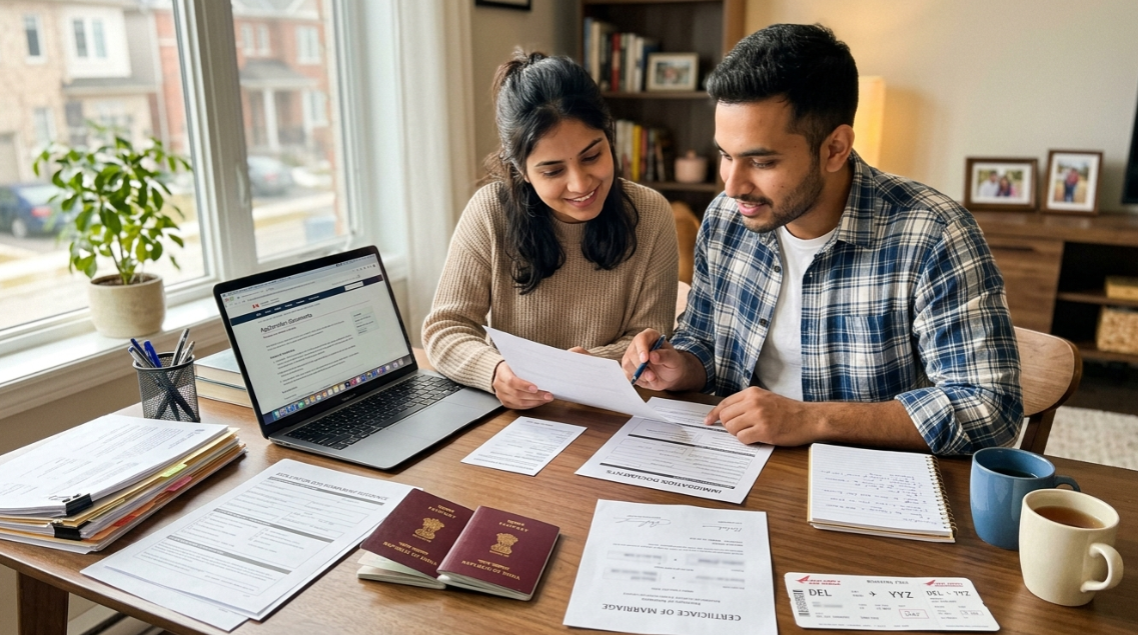
This is where the comparison between online marriage and in-person marriage gets most consequential for many couples.
USCIS generally applies the place-of-celebration rule: a marriage is valid for immigration purposes if it was valid under the law of the jurisdiction where it was performed. A marriage certificate is typically treated as prima facie evidence that the marriage was properly performed.
But USCIS does not recognize proxy marriages unless consummated, and it does not recognize marriages entered into to evade immigration laws. For online marriages performed through Utah’s remote appearance framework, the key question becomes whether USCIS treats the ceremony as a valid remote-appearance marriage or as something closer to a proxy marriage.
In practice, experiences vary. Practitioners on Reddit report successful I-130 filings after Utah online marriages. One user noted they registered the marriage in the spouse’s country and found the process straightforward. But another Reddit thread describes an I-130 denial where USCIS initially said the Utah marriage was not valid because the ceremony occurred while the couple was outside the U.S. That case was later approved after lawyer involvement and an appeal.
The practical takeaway: online marriage can work for immigration, but it is not a shortcut. Couples should plan evidence carefully.
Evidence Checklist for Immigration-Focused Couples
Marriage certificate (certified copy)
Ceremony screenshots or recording
Witness names and contact information
Post-marriage travel itineraries and boarding passes
Hotel or Airbnb receipts from in-person visits after the ceremony
Photos together after the wedding
Joint financial records
Ongoing communication records (messages, call logs)
Family affidavits if appropriate
Practitioners on Reddit consistently stress the importance of post-marriage in-person meeting evidence, especially when spouses were not physically together during the online ceremony. One user in r/USCIS asked what counts as “wedding photos” when the ceremony happened over video. Other users suggested ceremony screenshots help, but in-person evidence gathered after the wedding matters more for addressing the consummation question.
For immigration guidance beyond general information, consider a spouse visa consultation. For broader context, read about online marriages and immigration recognition.
This is general information, not legal advice. Immigration-focused couples should consult a qualified immigration attorney.
International Recognition and Document Legalization
A marriage valid in Utah is not automatically valid in every other country. This is the most underappreciated risk when choosing between online and in-person marriage for international purposes.
Apostille
If the destination country participates in the 1961 Hague Apostille Convention, a U.S. marriage certificate typically needs an apostille from the issuing state’s secretary of state. USAGov explains that state-issued vital records need apostille handling through the state where the document was issued. The apostille certifies the document’s authenticity for use abroad.
Authentication
If the destination country is not part of the Hague Convention, the certificate may need an authentication certificate and embassy or consular legalization instead. This process takes longer and involves more steps. For a clear explanation of the difference, see the guide on apostille vs authentication.
Country-Specific Rules
Recognition varies sharply by country:
Canada: IRCC generally does not recognize internet, proxy, telephone, or fax marriages if one or both parties were not physically present, with a narrow military-related exception.
United Kingdom: Proxy marriage is not possible under UK law, but the UK may accept a foreign proxy marriage if it was valid under that country’s law.
Other countries: Rules vary widely. Always check with the destination country’s consulate or immigration authority before assuming recognition.
A Reddit user in r/LongDistance described getting married through Utah County over Zoom while their partner was in Costa Rica. They emphasized planning to get an apostille for international use and meeting in person before filing for a CR-1 visa. That practical awareness of downstream documentation is exactly the right approach.
For couples who need their U.S. certificate legalized for use abroad, Courtly offers document legalization services including apostille and embassy authentication.
Who Should Choose Online Marriage?
Online marriage makes the most sense when:
Partners live in different countries or states and cannot easily travel to the same location
Travel is expensive, unsafe, or logistically impossible due to visa restrictions or health
One partner is deployed or stationed away from home
The couple needs a legal marriage quickly for immigration filing, military benefits, or insurance
They want a small, private legal ceremony without venue and vendor logistics
Local in-person marriage is unavailable or unsafe (relevant for some LGBTQ+ couples)
The couple plans to have a separate celebration later
Who Should Choose In-Person Marriage?
In-person marriage is the better fit when:
The couple wants family and friends physically present for the ceremony
They value a traditional ceremony with vows, an aisle, or a religious service
Their local jurisdiction makes in-person marriage easy and fast
They want to minimize any downstream questions about physical presence
The certificate will be used in a country that may reject online or proxy marriages
Neither partner faces significant travel or distance barriers
Decision Checklist
Before choosing between online and in-person marriage, work through these questions:
Are we currently in the same location?
Will we use the marriage certificate for immigration?
Will we need the certificate recognized outside the U.S.?
Does the destination country accept remote or online marriages?
Do we need an apostille or embassy authentication?
Can we both access stable internet and upload government ID?
Do we have two witnesses available (required for Utah remote ceremonies)?
Do we want the legal marriage now and a celebration later, or both at once?
Would family concerns about an online ceremony matter to us?
Are we prepared to gather extra evidence if an agency asks questions?
If most answers point toward practical barriers with in-person marriage, online marriage deserves serious consideration. If most answers point toward simplicity and local availability, in-person is probably the easier path.
Ready to explore your options? View Courtly’s pricing to compare packages for a fully remote, legally binding U.S. marriage.
Online Marriage vs In-Person Marriage Decision Matrix
Your Situation | Recommended Option |
|---|---|
Long-distance relationship | Online Marriage |
Military deployment | Online Marriage |
Need marriage quickly | Online Marriage |
Destination country has strict recognition rules | In-Person Marriage |
Large family wedding | In-Person Marriage |
Religious ceremony | In-Person Marriage |
Immigration filing with minimal complications | In-Person Marriage |
Health prevents travel | Online Marriage |
Frequently Asked Questions
Is online marriage the same as in-person marriage?
Both can produce the same legal marital status if the online marriage is valid under the jurisdiction’s law. The practical difference is that online marriage may require more documentation when used for immigration, foreign registration, or institutional purposes. In-person marriage faces fewer of these verification questions.
Is a Zoom wedding legally binding?
Only if the jurisdiction explicitly allows marriage to be solemnized remotely and all legal requirements are met. A Zoom celebration by itself does not create a legal marriage. Utah’s remote appearance framework is one of the few systems that makes a video ceremony legally binding.
Can international couples get married online in the U.S.?
In some jurisdictions, yes. Utah County states that Utah has no residency or citizenship requirement for marriage licenses. Anyone who meets Utah’s marriage requirements can apply, regardless of where they live.
Does USCIS recognize online marriage?
USCIS generally applies the place-of-celebration rule: if the marriage is valid where it was performed, it is usually valid for immigration purposes. However, USCIS does not recognize proxy marriages unless consummated and does not recognize marriages entered into to evade immigration laws. Couples should plan evidence carefully and consider consulting an immigration attorney.
Do online marriages need witnesses?
It depends on the jurisdiction. Utah remote appearance ceremonies require two witnesses age 18 or older, and both must appear on live video during the ceremony.
Is online marriage cheaper than in-person marriage?
Usually, yes. Online marriage avoids most venue, catering, travel, and vendor costs. Utah County charges $71.75 for a license and $35 for a clerk ceremony. Traditional U.S. weddings averaged $34,000 in 2025. That said, online marriage may still involve service fees, apostille costs, shipping, and translation expenses depending on the couple’s needs.
Can we have an online legal marriage and an in-person celebration later?
Yes, and many couples do exactly this. Separating the legal marriage from the celebration is common when immigration timing, military deployment, health issues, or family logistics make it impractical to do everything at once.
Will every country recognize an online U.S. marriage?
No. Utah County explicitly warns that a Utah remote appearance marriage may be invalid in the country where the parties reside. Canada’s IRCC generally does not recognize internet marriages for immigration. The UK takes a more flexible approach for valid foreign marriages. Always verify with the specific country or agency before assuming recognition.
Let us handle the paperwork.
Getting married is complicated. Courtly simplifies the process and provides everything necessary to get married online, including providing a licensed officiant who can perform a remote ceremony.
Get Married

Get married online.
Getting married is complicated. Courtly simplifies the process and provides everything necessary to get married online.

