

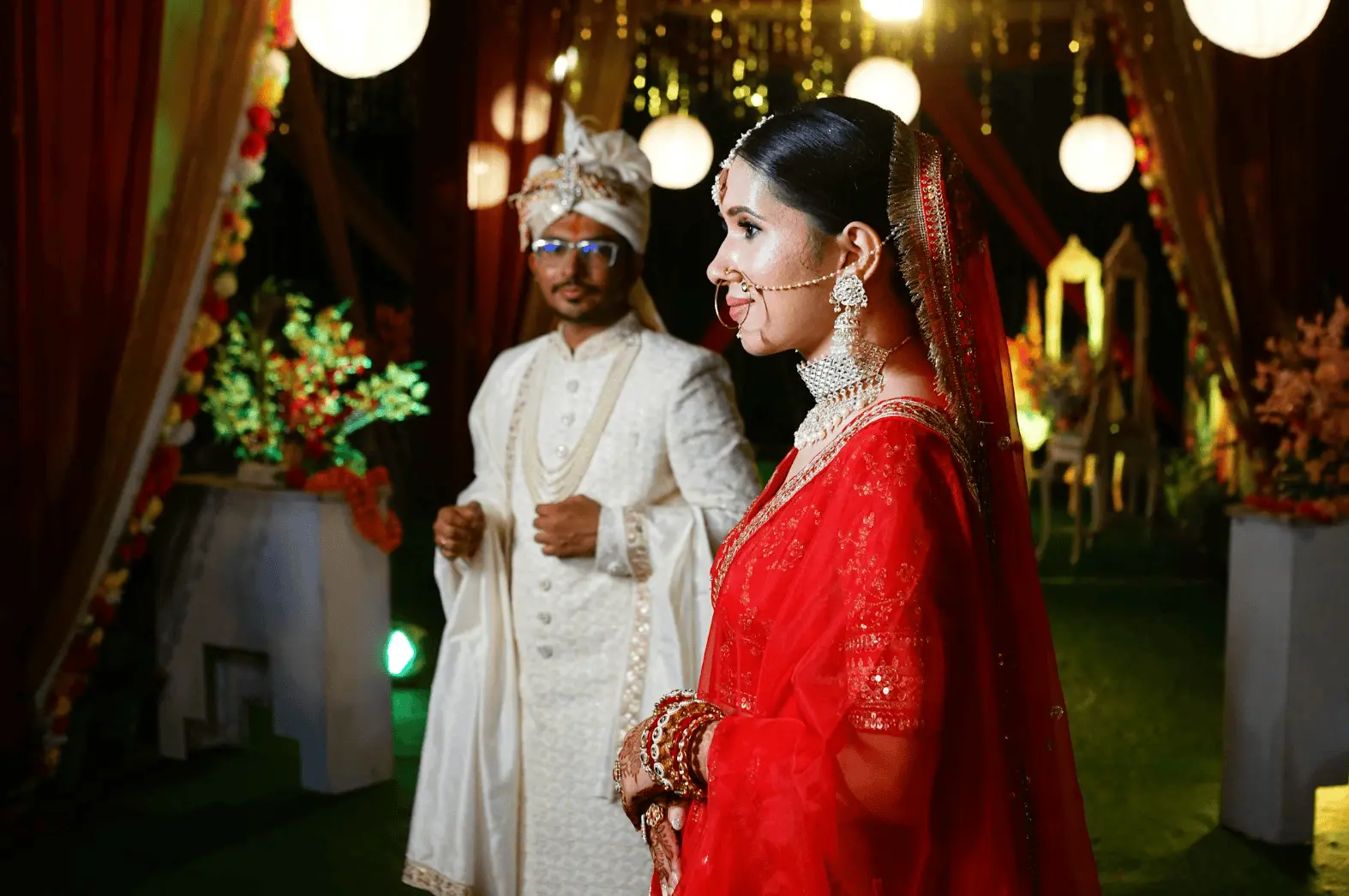
Ask about wedding night traditions in a Jewish household and you might hear about yichud—10 minutes of privacy after the ceremony.
In a Pakistani family, the story could involve the groom playfully negotiating with the bride’s sisters to enter the house.
A Korean couple might describe the formal family ceremony that happens the next morning.
Some traditions center on privacy and spiritual significance. Others involve extended family, symbolic foods, or ceremonial gatherings that continue into the following day.
A few practices that sound romantic in theory feel invasive in reality, while others that seem unusual at first carry deep meaning for the couples who choose them.
This guide breaks down what actually happens across different cultures, what these traditions mean to the people who practice them, and how modern couples navigate the space between honoring heritage and protecting their own boundaries.
What Wedding Night Traditions Actually Mean
Wedding night customs aren't just about romance or intimacy. They serve multiple purposes: religious covenants, family continuity, symbolic transitions from individual to married life, and community validation of the union.
In some faiths, consummation holds religious significance, completing the marriage covenant. In others, the wedding night is less about the couple alone and more about the family's blessing and involvement. Many traditions emphasize fertility, prosperity, or protection against bad luck.
Modern couples increasingly ask: Does this practice reflect our values? Does it feel meaningful or obligatory? The answer shapes what actually happens when the celebration ends.
Jewish Wedding Night Traditions
Yichud: The Private Room
Immediately after the ceremony, the newly married couple goes into a private room for 10 to 20 minutes. This practice, called yichud (meaning "seclusion" or "unity"), symbolizes their first opportunity to be alone as husband and wife.
What actually happens is far more practical than romantic: most couples use this time to decompress, eat something (they've usually been fasting), and talk quietly before rejoining the reception.
Some share a private toast or prayer. Others simply sit together and breathe.
The symbolic weight matters more than the literal action. Yichud acknowledges that marriage creates a private space between two people, separate from family and community.
Sheva Brachot: A Week of Celebration
Jewish tradition doesn't treat the wedding night as a singular event.
Instead, it's the first night of sheva brachot, seven days of festive meals where friends and family continue celebrating the couple.
This disperses the emotional weight across a week rather than concentrating everything on one night.
Korean Wedding Night Traditions
Pyebaek Ceremony: Meeting the Family
In traditional Korean culture, what happens the morning after matters more than the wedding night itself: pyebaek.
Pyebaek is a formal ceremony where the bride meets the groom's family, bows to his parents and elder relatives, and receives their blessings.
The groom's family offers dates and chestnuts (fertility symbols), which the bride catches in her skirt.
Modern Korean and Korean-American couples often hold pyebaek during the wedding reception instead of the next morning, adapting the timing to fit contemporary schedules.
Duck or goose figurines are common wedding gifts, placed in the couple's bedroom to represent fidelity.
Traditionally, couples stayed at the groom's family home with limited privacy.
Today, most choose hotels or their own space, prioritizing privacy over proximity to family.
Arab and Egyptian Wedding Night Traditions
Zaffa Procession and Morning Gatherings
In many Arab cultures, the couple's entrance to the wedding night location involves a zaffa, a festive procession with drums, music, and family members escorting the newlyweds.
It creates a clear boundary: the celebration belongs to the community, but what comes next belongs to the couple.
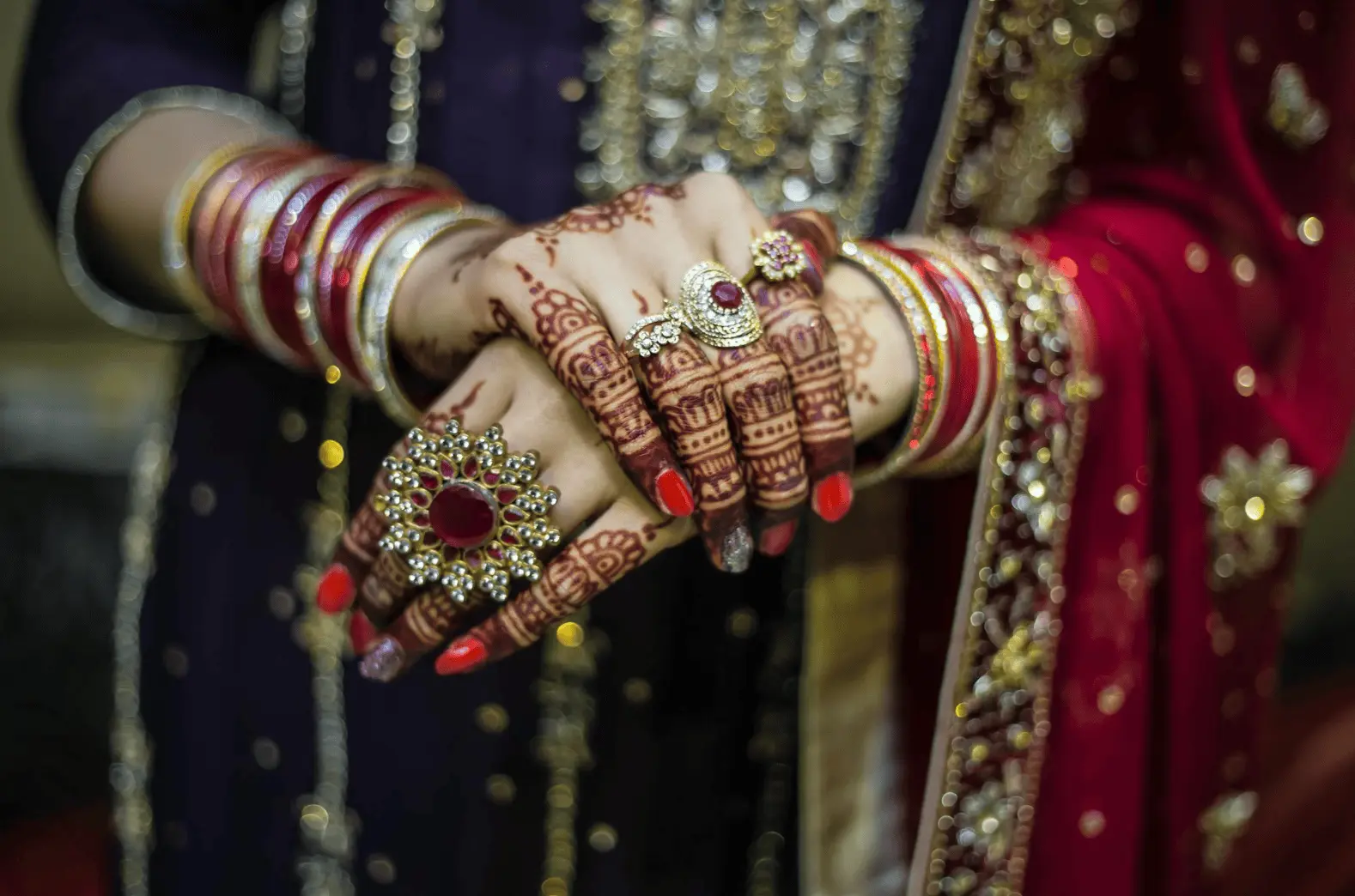
The henna night (laylat al-henna) happens before the wedding, where female relatives gather to apply intricate henna designs to the bride's hands.
It's celebratory and emotional as the bride prepares to leave her family home.
In some families, sabahiya occurs the morning after. It’s a gathering where family members greet the couple and share breakfast.
Modern couples often find this intrusive and skip it or hold a casual brunch without traditional weight.
Egyptian-Specific: The Kosha
The kosha is a decorated bridal platform where Egyptian couples sit during the reception while guests congratulate them.
Today, it's mostly decorative for photos rather than a functional space. The wedding night itself happens privately, usually at a hotel.
Pakistani Wedding Night Traditions
Rukhsati and Family Involvement
Rukhsati is one of the most emotional moments in Pakistani weddings. The bride leaves her family home and travels to the groom's home or the couple's residence.
This departure sets the stage for the wedding night. But before the couple can retire, doodh pilai often occurs: the groom's sisters block the bedroom door and demand money or gifts for entry.
This playful tradition builds bonds between the groom and his extended family. Modern Pakistani-American families often move this to the reception rather than the wedding night itself.
In some families, the groom's mother offers the bride milk mixed with dates before they go to their room, symbolizing a sweet start and the mother-in-law's blessing.
Traditionally, couples stayed at the groom's family home. But many couples today choose hotels for privacy.
Amish Wedding Night Traditions
The Reality vs. The Myths
One persistent myth suggests that Amish elders supervise the couple on their wedding night. This is false. Amish weddings are deeply private occasions, guided by values of modesty, faith, and community.
Traditionally, the newlyweds spend their wedding night at the bride’s parents’ home, where they have full privacy. The next morning, they join in household chores and begin visiting relatives in the weeks that follow.
In some more progressive Amish communities, couples may choose to stay in a hotel instead.
For the Amish, the wedding night represents a sacred covenant between husband and wife; a private, modest, and spiritual beginning to their life together rather than an elaborate ritual.
Romani (Gypsy) Wedding Night Traditions
Joyful Celebration and Family Focus
Romani weddings are often joyous, family-filled affairs where music, dance, and laughter take center stage.
These celebrations can last for days, with fiddles, accordions, and drums setting a lively rhythm that pulls everyone—young and old—onto the dance floor.
In many groups, family elders play an important role in blessing the union or helping arrange details, which highlights how marriage connects two families, not just two people.
Symbolic Customs and Dress
Romani brides often wear eye-catching, deeply personal gowns that blend tradition, family pride, and plenty of sparkle.
The dress is often richly embroidered or beaded, sometimes in bright colors rather than plain white, and layered with scarves, sashes, or a decorative vest.
Because Romani customs vary by region and clan, each wedding feels unique, full of personal touches and local flavor.
Weird Wedding Night Traditions From Around the World
While modern weddings often focus on romance and relaxation, history and folklore tell a much more colorful story of how couples should start their lives together.
These weird wedding night traditions from around the globe prove that the path to "happily ever after" sometimes involves a little chaos and a lot of character.
France: Le Pot de Chambre
In some rural French regions, friends or villagers would “hunt” for the newlyweds after the celebrations and make them drink from a chamber pot filled with a mix of alcohol, chocolate, and leftover food.
This was meant to give them strength after the wedding night and mark their transition into married life; today, it survives only in a few areas and is often toned down or symbolic.
Scotland: Blackening
Before the wedding, friends “capture” the bride and/or groom, cover them in sticky, messy substances like eggs, flour, treacle, and feathers, and parade them through town.
The idea is that if the couple can endure this public ordeal together, they can handle the hardships of married life.
Borneo: Bathroom Ban
Among the Tidong people of Borneo, newlyweds were traditionally confined for three days and nights and discouraged or forbidden from using the bathroom, with family monitoring food and water to help them comply.
The practice is now rare and usually described as a very old custom rather than a routine expectation.
Ireland: Feet on the Ground
An old Irish superstition held that during the first dance or on the wedding night, the bride should avoid lifting both feet off the floor, or fairies might carry her away because they were thought to be especially fond of brides.
Kenya: Maasai Spitting Blessing
Among the Maasai, a father may spit on the bride as a form of blessing when she leaves to join her husband’s family, an act that looks shocking to outsiders but is meant to convey good fortune and protection
What Modern Couples Actually Do on Their Wedding Night
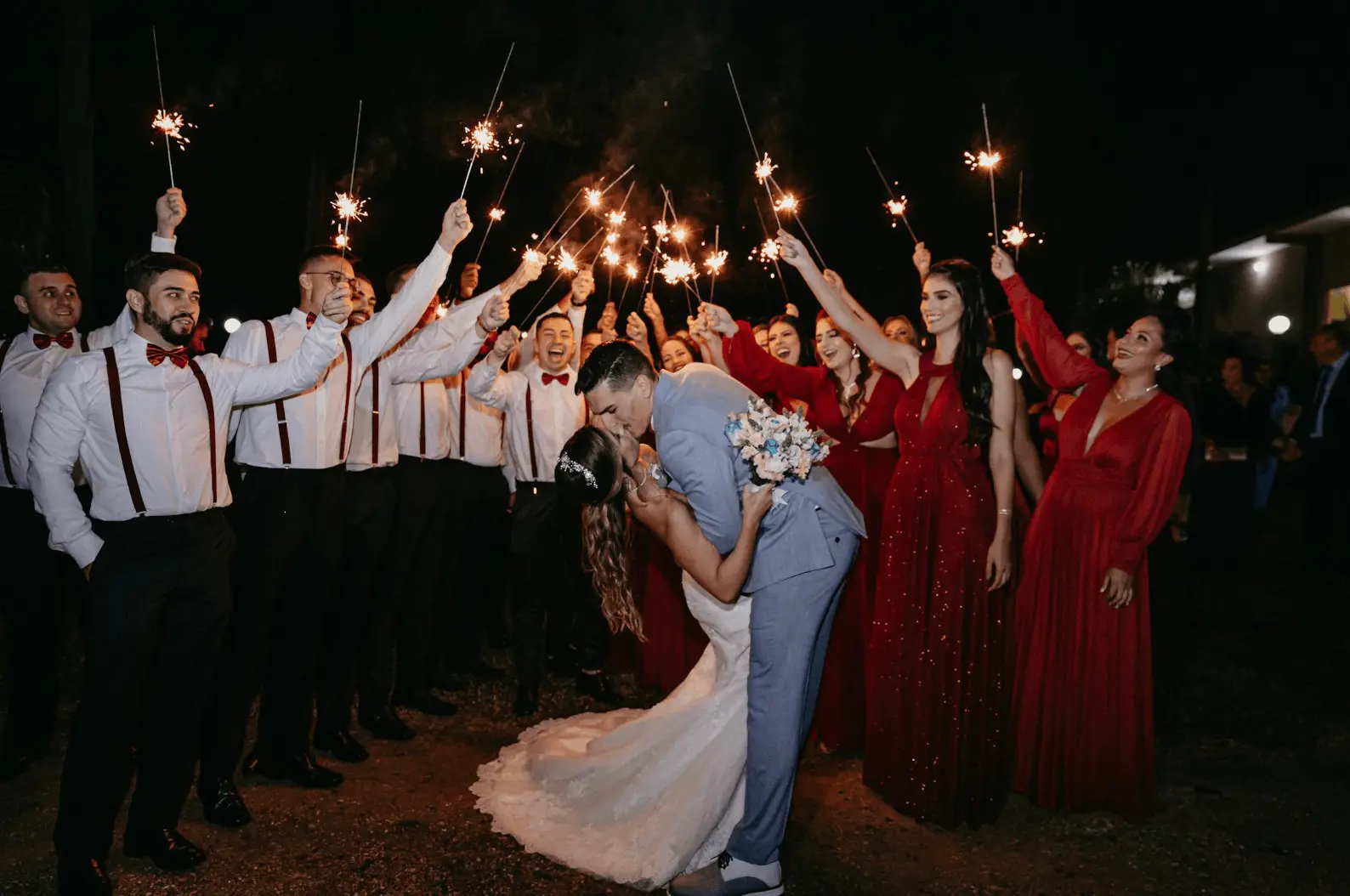
Here's the truth most people don't mention: modern couples are usually exhausted on their wedding night.
After hours of greeting guests, taking photos, dancing, and managing family dynamics, many couples just want to take off uncomfortable clothes, eat leftover cake, and sleep.
The pressure to have a perfect, romantic wedding night often doesn't match reality.
And that's fine.
Blending Traditions With Personal Values
Couples navigating multiple cultural backgrounds often create hybrid traditions. A Jewish and Korean couple might observe yichud after the ceremony, then hold a modified pyebaek the next morning.
A Pakistani and American couple might include rukhsati but skip doodh pilai.
The goal isn't perfect adherence to every cultural expectation. It's choosing what feels meaningful and leaving behind what doesn't.
When Legal Marriage Comes First
Some couples handle the legal side separately from their cultural ceremony. They marry legally through a civil process, then plan a traditional celebration later without administrative pressure.
This separation simplifies logistics, especially for international couples navigating visa requirements or different legal systems.
If you're managing complex documentation or international marriage recognition, handling the legal marriage first removes one major stressor.
Courtly provides legally recognized U.S. marriage certificates entirely online, giving couples the documentation they need for immigration or legal purposes before their traditional ceremony.
How to Navigate Wedding Night Traditions When Cultures Mix

When two people from different backgrounds marry, wedding night expectations can clash unexpectedly.
Communication Before the Wedding
Discuss what traditions each partner finds meaningful. Talk about privacy boundaries. Ask what family expectations exist and which ones you're willing to meet.
If one partner's culture involves significant family presence and the other values complete privacy, that gap needs addressing early.
Choosing What to Keep
Not every tradition deserves preservation just because it's traditional. Religious practices that hold spiritual significance often matter more than cultural customs done purely out of obligation.
Ask:
- Does this practice reflect our values?
- Does it bring us closer to our families in a healthy way?
- Are we doing this because it matters or because we're afraid to say no?
When Families Have Different Expectations
Family members may expect involvement, access, or information that the couple isn't comfortable providing.
Setting boundaries respectfully but firmly protects autonomy while honoring family relationships.
Clear communication might sound like: "We appreciate how important this tradition is to you, but we've decided to spend our first night privately. We'd love to see you for brunch the next morning instead."
Your Wedding Night, Your Traditions
Wedding night traditions reflect values: family continuity, religious devotion, community validation, fertility hopes, and protection from harm.
But traditions are tools, not mandates.
Modern couples have more freedom than ever to choose which practices feel meaningful.
You can honor your heritage without sacrificing your boundaries. You can respect your family's culture without performing rituals that make you uncomfortable.
What happens on your wedding night matters far less than how you feel about it the next day.
Marriage is long. The wedding night is one evening. What matters is that it's yours.
Whether you're planning a ceremony steeped in tradition or creating something entirely new, starting with clear legal documentation removes confusion and stress.
Courtly helps couples get legally married online in a way that's recognized globally, so you can focus on the cultural and personal traditions that actually matter to you.
FAQs
What are traditional wedding night customs?
Traditional wedding night customs vary by culture and religion. Jewish couples observe yichud (private time after the ceremony).
Korean families practice pyebaek the morning after. Pakistani traditions include rukhsati and doodh pilai.
Arab cultures may include zaffa processions and sabahiya morning gatherings. Modern couples adapt or skip traditions based on personal values.
Do couples have to follow wedding night traditions?
No. Wedding night traditions are cultural practices, not requirements. Modern couples increasingly choose which elements feel meaningful and leave behind practices that feel invasive.
Many blend traditions from both partners' backgrounds.
Communication with family about which traditions you'll observe helps manage expectations.
What do Jewish wedding night traditions involve?
Jewish wedding night traditions center on yichud, where the couple spends 10-20 minutes alone after the ceremony. This symbolizes their first private moment as husband and wife.
The wedding night is also the first of sheva brachot, seven nights of celebratory meals with family and friends. Most couples use yichud to decompress and eat rather than for intimacy.
What happens during Korean wedding night traditions?
Traditional Korean wedding nights involve less ritual than the morning after, when pyebaek takes place.
During pyebaek, the bride formally meets the groom's parents, bows to receive blessings, and catches dates and chestnuts (fertility symbols).
Modern couples often hold pyebaek during the reception. Most stay at hotels rather than family homes for privacy.
Do Amish wedding nights involve elders supervising?
No, this is a myth. Amish wedding nights are completely private and guided by religious values of modesty.
The couple typically stays at the bride's parents' home but has full privacy. The morning after, they help with chores and visit relatives. The Amish view the wedding night as a sacred covenant, not a public event.
How do interfaith or intercultural couples handle wedding night traditions?
Communication is essential.
Couples discuss which traditions hold significance, what feels meaningful versus obligatory, and where privacy boundaries exist. Many create hybrid practices from both backgrounds.
Setting clear expectations with families about what you will and won't observe prevents misunderstandings.
The goal is honoring both heritages without sacrificing comfort.
Let us handle the paperwork.
Getting married is complicated. Courtly simplifies the process and provides everything necessary to get married online, including providing a licensed officiant who can perform a remote ceremony.
Get Married

Get married online.
Getting married is complicated. Courtly simplifies the process and provides everything necessary to get married online.

