

How does Muslim marriage work? For most couples, the answer is more layered than they expect.
A Muslim marriage isn’t just a celebration; it’s a commitment built on intention, consent, and clarity. It carries spiritual meaning, but it also carries legal weight.
Families come together, faith plays a central role, and the Nikah becomes the moment two people step into a shared life with rights, responsibilities, and dignity built into the framework.
Yet the reality is this: every couple eventually discovers that the religious ceremony and the civil requirements don’t always mirror each other.
Islamic rules outline what makes a Nikah valid. State laws decide what makes a marriage legally recognized. And somewhere between those two worlds, couples try to build something that honors both.
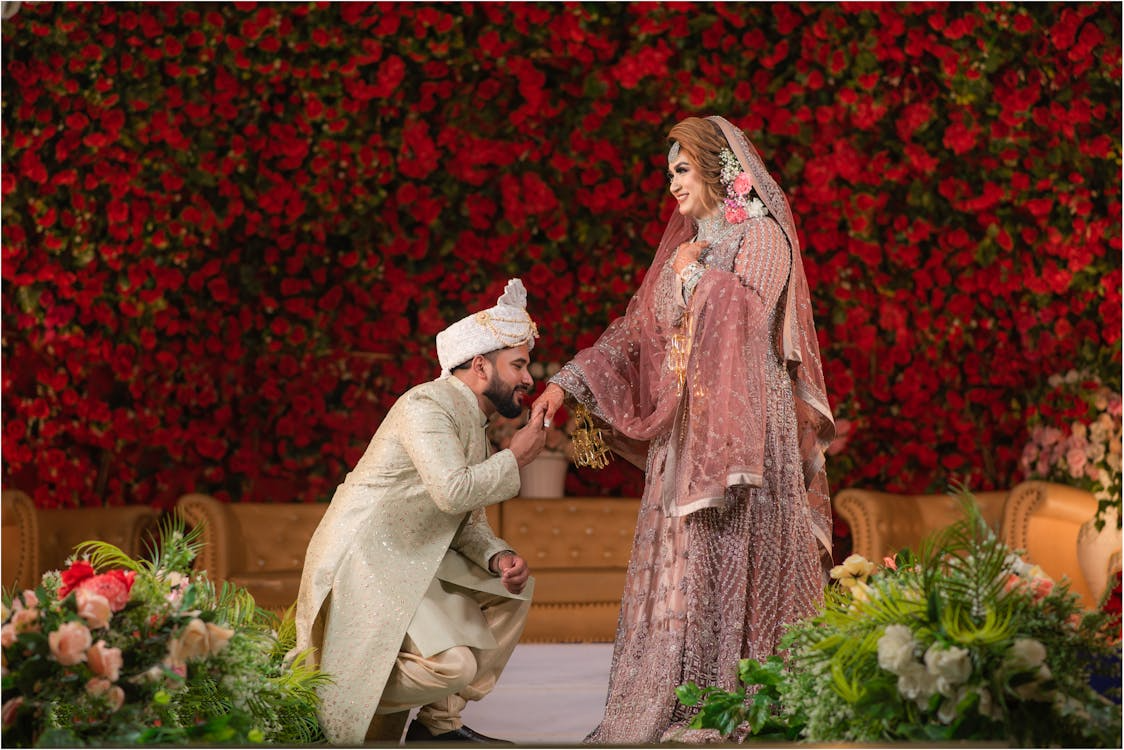
This guide helps you understand how Muslim marriage works in practice, from the role of consent and witnesses to how countries interpret the Muslim Marriage Act, how muslim marriage age is defined, and what the Nikah looks like when tradition meets modern life.
What a Nikah Really Is
To understand how Muslim marriage works, you have to return to the heart of it: the Nikah.
In Islamic law, Nikah isn’t just a moment of celebration. It is a binding agreement built on consent, clarity, and responsibility.
Scholars describe it as a contract that makes intimacy lawful, protects both spouses’ rights, and forms the foundation for companionship and family life.
The Quran and Hadith frame it as a commitment held together by kindness, fairness, and mutual respect, not by ceremony alone.
People often assume the Nikah is simply the “Muslim marriage ceremony,” but the truth runs deeper.
Islam does not treat marriage as a sacrament. It treats it as a contract between two adults who understand what they are agreeing to. Because it is a contract, the details matter: the identity of each spouse, the offer and acceptance, the consent, the mahr, and the presence of witnesses.
Cultural traditions may add celebration, poetry, or rituals, but the structure beneath stays remarkably consistent; whether the Nikah is held in a mosque in Cairo, a family home in Karachi, a registrar’s office in London, or an apartment in New York.
Even when countries introduce their own civil requirements through laws like the Muslim Marriage Act, the core religious framework remains the same.
How a Muslim Marriage Works: The Core Ingredients of a Valid Nikah
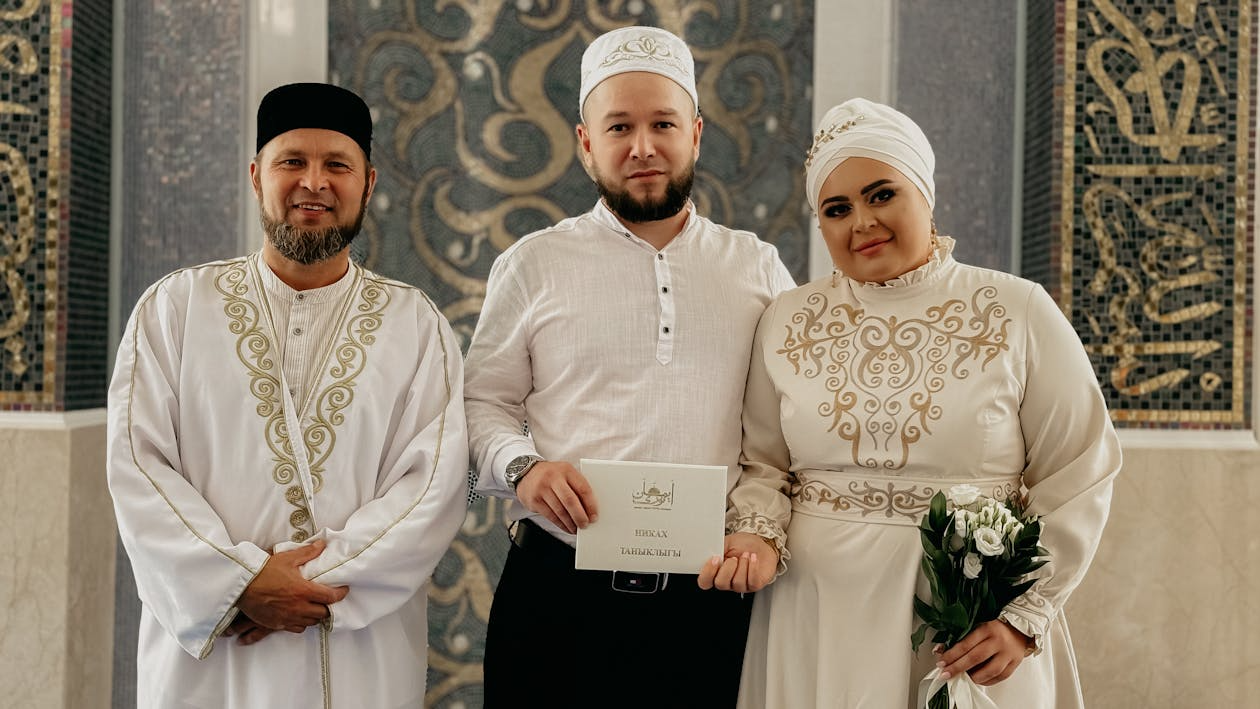
If you’re trying to understand how Muslim marriage works, these are the pillars every Nikah rests on.
Different schools phrase them differently, but the structure underneath stays surprisingly consistent across cultures.
These elements are what make the Muslim marriage ceremony (Nikah) valid in Islamic law, even before civil rules or any so-called Muslim Marriage Act requirements come in.
1. Clear Offer and Acceptance (Ijab & Qabul)
A Nikah becomes real only when the couple formally agrees to marry in clear, understood words.
What this means:
- One side proposes marriage in explicit language (ijab).
- The other accepts in the same sitting (qabul).
- The couple may speak directly or through representatives.
- Any language works; it just has to be unambiguous.
This is the moment intention becomes a binding Islamic contract.
2. Free and Informed Consent
Islamic law treats consent as non-negotiable, especially for the bride.
A valid Nikah requires:
- No force, pressure, or emotional coercion.
- Both spouses clearly understand whom they are marrying.
- Full mental capacity to enter a contract.
Classical jurists cite multiple Hadith where the Prophet annulled marriages performed without a woman’s consent; it’s that central.
3. The Wali (Bride’s Guardian)
Whether a wali is required depends on the school of Islamic jurisprudence.
How it works:
- Shafi, Maliki, Hanbali: A wali is required for a first marriage.
- Hanafi: An adult, sane woman may marry without a wali if her choice is suitable.
- Modern practice: Many imams still involve the wali because it prevents disputes.
Civil laws in your region may add extra rules here, especially where a Muslim Marriage Act or local family laws apply.
4. Witnesses
Witnesses turn a private agreement into a provable event.
Islamic minimum:
- Two Muslim male witnesses, or
- One male + two female witnesses.
Civil requirement: Some countries require additional state-approved witnesses.
Think of religious witnesses as the baseline; the state may ask for more.
5. Mahr (Mandatory Marriage Gift)
Mahr is an Islamic right, not a formality.
What counts as mahr:
- Money, jewelry, gold, property, or anything of value.
- Part immediate, part deferred; both valid.
- Entirely the bride’s property.
- Recorded in the contract, the unpaid mahr becomes a debt.
It symbolizes commitment, security, and respect; not “purchasing” the bride.
6. Capacity & Eligibility
For the Muslim marriage ceremony to be valid, both spouses must:
- Be legally eligible to marry each other (no prohibited relationships).
- Not be in an iddah period after a divorce or widowhood.
- Be mentally capable of giving consent.
- Not be intoxicated or impaired.
Civil law note:
Countries may enforce additional rules, especially around Muslim marriage age, which can differ from traditional fiqh. A Nikah may be religiously valid but not recognized on paper unless it meets local requirements.
What Actually Happens In a Muslim Marriage Ceremony
On the day itself, the flow depends a lot on culture, but most muslim marriage ceremony plans include similar beats.
A typical outline looks like this:
- The imam or officiant opens with Quran recitation and a short khutbah about marriage, mercy, and mutual rights.
- The mahr is discussed and confirmed aloud so everyone knows what has been agreed.
- The ijab and qabul take place. Sometimes the wali speaks on the bride’s behalf, then the imam confirms her consent privately or publicly.
- The witnesses are present, listening, and ready to sign.
- The marriage contract or nikahnama is read or summarised, then signed by the bride, groom, wali if required, and witnesses.
- A closing dua is made for the couple.
- Later, the walima, a marriage feast, is hosted by the groom or his family as a public announcement and a way of sharing joy with the community.
From a spiritual perspective, the Nikah is the key moment. From a legal perspective, the paperwork and registration that sit behind this moment determine how governments, banks, and immigration authorities will treat the marriage.
Muslim Marriage Age: How It Works in Religion and Under State Law
Before looking at paperwork or registration, it helps to understand how Muslim marriage works when it comes to age, because this is where religious tradition and modern civil law often collide.
A Nikah is valid only when both spouses can give real, informed consent.
That’s why age is not a minor detail; it shapes whether the marriage counts religiously and whether it is recognized by the state.
Islamic perspective on marriage age
Islamic sources do not set a specific numerical Muslim marriage age. Instead, classical fiqh ties marriage capacity to two conditions:
- Puberty (bulugh): the biological threshold of adulthood.
- Rushd: mental, emotional, and financial maturity: the ability to understand the marriage contract and its responsibilities.
Even in historic texts, guardians (wali) were expected to protect minors from harmful matches, and judges could annul marriages that endangered the child.
Modern scholars emphasize:
- Marriage requires meaningful, adult-level consent.
- Harm prevention (dar’ al-mafsadah) outweighs theoretical permissibility.
- Muslims must follow the law of the land when local age limits aim to safeguard minors.
Civil marriage age around the world
Most modern legal systems enforce a fixed minimum age, often 18, regardless of religion. And because a Nikah must coexist with civil registration, these laws matter.
Here are clear, accurate examples:
- India: Under the Prohibition of Child Marriage Act (2006), women must be 18 and men 21. This applies to all communities, including Muslims, despite personal law traditions. Courts treat underage marriages as voidable and often criminal.
- Pakistan: The Muslim Family Laws Ordinance (1961) works alongside provincial laws. Sindh sets 18 for both spouses; Punjab and others set 16–18. Child marriage can result in prosecution.
- Middle East & North Africa: Countries such as Morocco and Tunisia codify Muslim family law with minimum ages, usually 18, with limited judicial exceptions.
- United States, UK, EU: Civil marriage laws govern everyone. Most require 18, sometimes 16–17, with parental or judicial consent. A religious Nikah alone does not create a legally recognized marriage.
Why this matters for your Nikah
A Nikah that disregards civil age requirements might be religiously valid in theory, but can be:
- unregistrable
- legally void
- criminally risky for guardians
- unacceptable for immigration, benefits, inheritance, and visas
To build a life that works, legally, religiously, and practically, your Muslim marriage ceremony and your civil registration must both meet the age rules where you live.
How Muslim Marriage Works Under Different Legal Systems (and Why “Muslim Marriage Act” Confuses People)
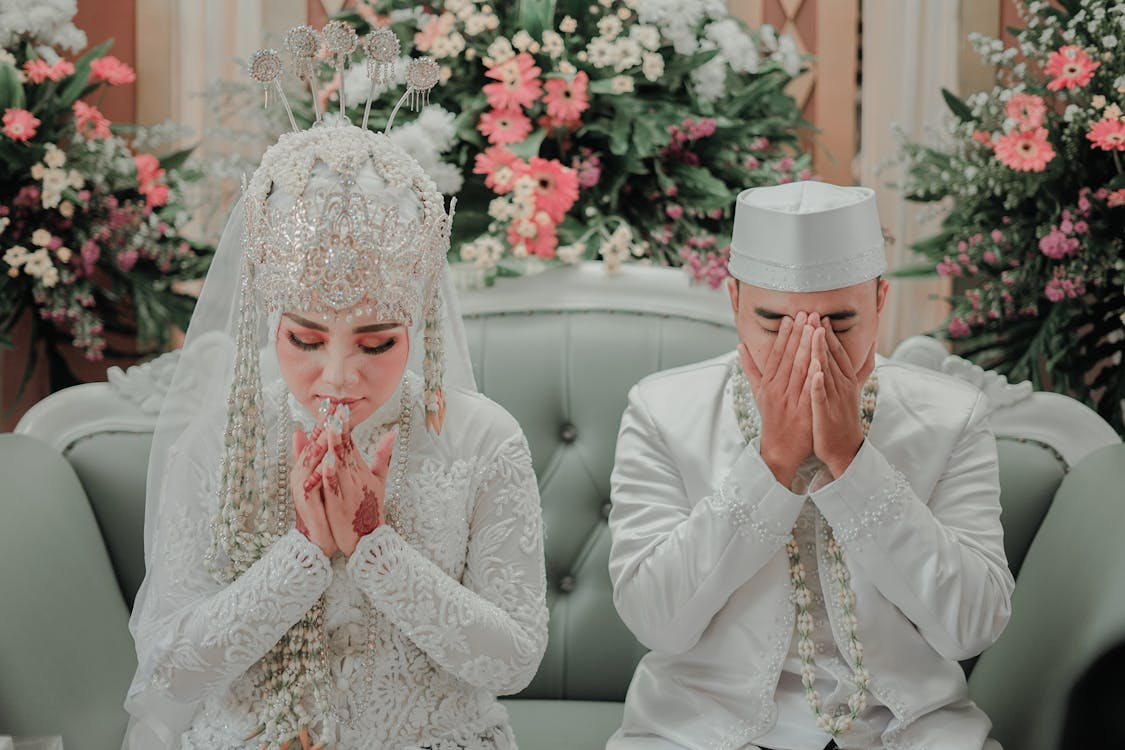
When people ask how does Muslim marriage work legally, they often expect a single universal rulebook.
In reality, there is no global Muslim Marriage Act.
Muslim marriage is religiously defined through Nikah, but its legal recognition depends entirely on the country where the couple lives.
That’s why some people end up married Islamically yet not legally, or the other way around.
Below is the clearest way to understand how Islamic principles meet state rules without repeating the earlier age section.
1. “Muslim Marriage Act” usually refers to regional personal laws, not one global statute
In South Asia, people often say “Muslim Marriage Act” even though most countries don’t have a single act with that exact name.
Instead, they rely on multiple personal law statutes that govern marriage, divorce, and registration.
India
What people casually call a “Muslim Marriage Act” actually refers to a mix of laws, including:
- Muslim Personal Law (Shariat) Application Act, 1937 – applies Islamic rules to marriage, dissolution, maintenance, and inheritance.
- Dissolution of Muslim Marriages Act, 1939 – defines grounds for a woman to seek divorce.
- Prohibition of Child Marriage Act + state registration laws – apply to all communities, including Muslims.
- Special Marriage Act option – couples (including interfaith couples) can choose a civil marriage instead of a Muslim marriage ceremony.
Pakistan, Bangladesh, and similar jurisdictions
- Muslim Family Laws Ordinance 1961 forms the backbone of Muslim family law.
- Provincial rules regulate Nikah registration, polygamy permissions, and talaq procedures.
- Bangladesh follows a similar legal structure.
Middle Eastern & North African countries
Most have codified Personal Status Laws (not named “Muslim Marriage Act”), which state:
- How Nikah is registered
- Spousal rights
- Divorce procedures
- Inheritance rules
2. Muslim marriage in secular or Western legal systems works differently
Outside Muslim-majority nations, a Muslim marriage ceremony (Nikah) may or may not have legal force.
Western countries (US, UK, Canada, EU)
- US: A Nikah is only legally valid if state requirements are met: licensed officiant, marriage license issued, proper filing. Otherwise, the couple is Islamically married but not civilly married.
- UK: Many Nikahs are not registered, leaving spouses without legal rights. Civil registration is necessary for the marriage to be recognized on paper.
- EU & Canada: Similar approach; civil marriage is mandatory, religious ceremonies are optional.
Secular-law countries
Places like France, Turkey, and several Central Asian states only recognize civil marriage. The Muslim marriage ceremony can be done, but only after or in addition to a state marriage.
3. Muslim-majority countries: The state usually recognizes and registers Nikah directly
Countries such as:
- Saudi Arabia
- Egypt
- Morocco
- Pakistan
- Indonesia
…treat Nikah as a religious + legal contract once it is registered with the official authority (family court, religious court, or notary system, depending on the country).
This means:
- The Nikah is both an Islamic marriage and a legal marriage.
- Registration gives rights to inheritance, divorce, child custody, and financial claims.
4. The core rule: A Muslim marriage only “works” fully when BOTH systems align
Regardless of geography, every Muslim couple must satisfy:
a) Islamic requirements for a valid Nikah — consent, witnesses, mahr, eligibility, ijab–qabul.
b) State requirements — age rules, licensing, officiant rules, and registration.
If either side is missing, problems arise later with:
- visa and immigration
- inheritance
- spousal benefits
- tax filing
- divorce rights
- child legitimacy in certain jurisdictions
This is why understanding how Muslim marriage works legally is just as important as knowing the religious elements of the muslim marriage ceremony itself.
Online Nikah and Online Marriage: Does It Work for Muslim Couples?
For many long-distance couples, the question isn’t theoretical anymore.
Life, visas, travel costs, and work schedules force a real one: can a Muslim marriage be done online, and will it count?
From an Islamic standpoint, scholars generally agree on the same principle: a Nikah is valid when the core requirements are fulfilled: clear offer and acceptance, consent from both spouses, identifiable parties, appropriate witnesses, and the agreed mahr.
Some contemporary scholars accept these conditions being fulfilled via video when everything is transparent and supervised. Others prefer some physical presence or the involvement of local representatives to avoid doubt.
Because opinions differ by school and by imam, most couples simply check with the scholar they trust and proceed in a way that satisfies both conscience and tradition.
Legally, the picture is simpler.
A Muslim marriage ceremony becomes legally recognized only when the issuing government has a lawful framework for remote marriages.
A few US jurisdictions allow marriages by video with ID verification and state-licensed officiants.
Certificates issued from such jurisdictions are valid civil marriages and are widely recognised for immigration, visas, banking, insurance, and international registration.
This matters because a religious Nikah alone does not create legal rights in many countries. Couples often need both layers to move forward with life.
Courtly operates in that legal layer.
It arranges a fully recognized civil marriage online, making it possible for couples separated by borders or circumstances to become legally married without traveling.
Couples can then hold their Nikah later, or, if their imam approves, incorporate the Nikah elements directly into the online ceremony.
How an online civil marriage with Courtly works:
- Identity verification: You and your partner submit basic details and legal documents so the officiant can confirm who is getting married.
- Scheduling your ceremony: You choose a date and time that works for both partners (and witnesses, if your Nikah requirements include them).
- Preparing the contract: The officiant inputs the information needed for the civil license, and you confirm all spellings and details.
- Live video ceremony: A licensed officiant leads the ceremony over a secure video call. Couples can add the Nikah structure, ijab and qabul, mahr, witnesses, if their imam approves.
- Civil filing: After the ceremony, the officiant files the completed license with the relevant US authority.
- Receiving the certificate: You receive your official government-issued marriage certificate, which can be apostilled for use abroad, immigration, or local registration.
An online civil marriage clears the legal hurdles that keep couples apart, letting them secure their life together on paper today and celebrate their Nikah the way they want, with the people they love, later.
Bringing Your Nikah and Legal Marriage Together
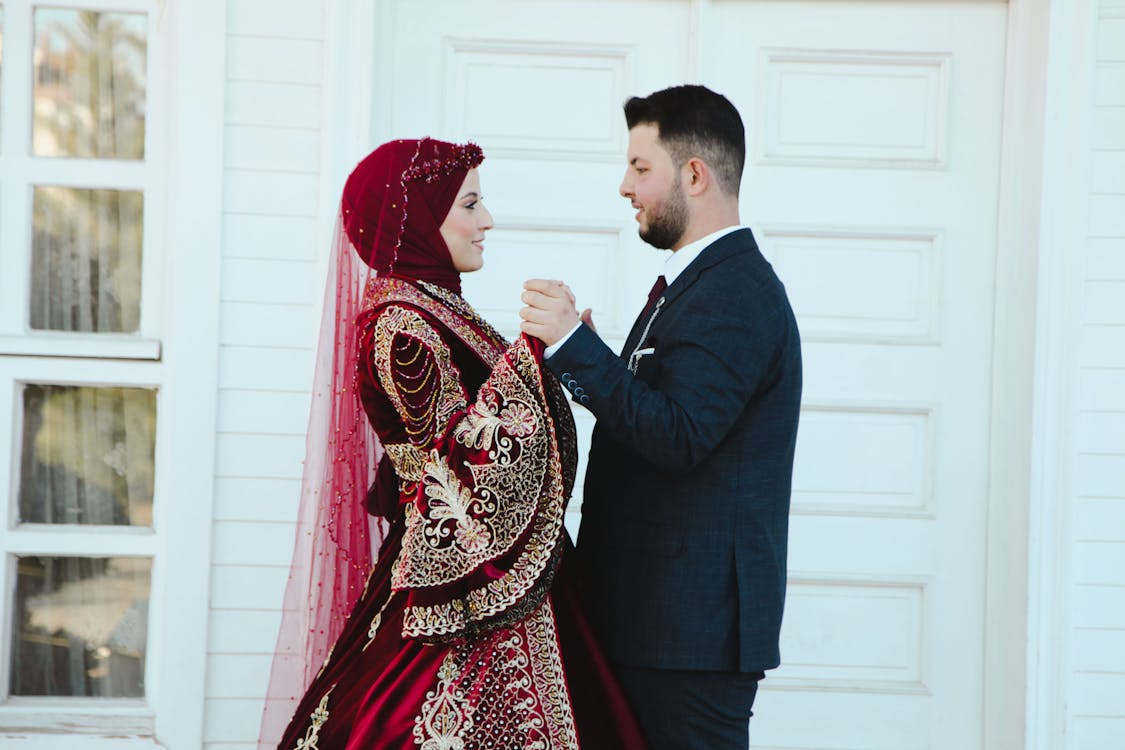
A Muslim marriage only truly works when both sides of the equation come together: the faith you honor through your Nikah and the legal structure that protects your life as a couple.
Understanding how Muslim marriage works across religion, age rules, and civil systems isn’t just technical information; it’s how you make sure your rights, responsibilities, and future plans stay aligned no matter where you live.
For many couples, that balance is simple when everything happens locally. For others separated by borders, paperwork, or family logistics, getting legally married becomes the hardest part.
That’s where options like Courtly make a real difference.
You can complete your civil marriage online, receive a government-issued certificate, and then celebrate your Nikah in the way that feels true to your faith and your families.
If you’re navigating distance or legal barriers, Courtly helps you start your married life without waiting, and lets your Nikah unfold exactly the way you always imagined.
FAQs
1. What does a Muslim marriage ceremony include besides the Nikah?
A muslim marriage ceremony can include cultural traditions like henna nights, family blessings, gift exchanges, or a walima, but the core religious requirements stay the same: ijab and qabul, consent, witnesses, wali where required, and mahr.
Everything else is optional celebration layered on top of the Nikah’s contractual foundation.
2. Is there an official Muslim Marriage Act that applies everywhere?
There is no single global Muslim Marriage Act. Each country has its own way of regulating Muslim marriages through personal status laws, civil codes, or family courts.
To understand how does Muslim marriage work legally where you live, you must check your local registration rules, age requirements, and whether your Nikah alone creates legal rights.
3. What is the muslim marriage age if a couple is marrying abroad?
The muslim marriage age depends entirely on the country where the marriage will be registered. Even if a Nikah is religiously valid earlier, most nations require 18 for civil recognition.
When marrying abroad, couples must satisfy both Islamic maturity standards and the civil age law of the destination to avoid issues with visas, registration, or inheritance.
Let us handle the paperwork.
Getting married is complicated. Courtly simplifies the process and provides everything necessary to get married online, including providing a licensed officiant who can perform a remote ceremony.
Get Married

Get married online.
Getting married is complicated. Courtly simplifies the process and provides everything necessary to get married online.

