

Wedding etiquette isn’t something most people think about until they’re suddenly planning a wedding.
Then it hits all at once: invitations, seating, speeches, family expectations, cultural traditions, and a hundred tiny decisions no one warned you about.
Everyone has an opinion, and half of them contradict the other half.
Some swear by traditional wedding etiquette, some insist there are no rules anymore, and some quietly expect you to follow proper wedding etiquette without ever saying what that actually means.
Most couples just want one thing: a wedding where people feel respected, comfortable, and included.
That’s all etiquette really is; how to handle the big and small moments so everyone feels considered.
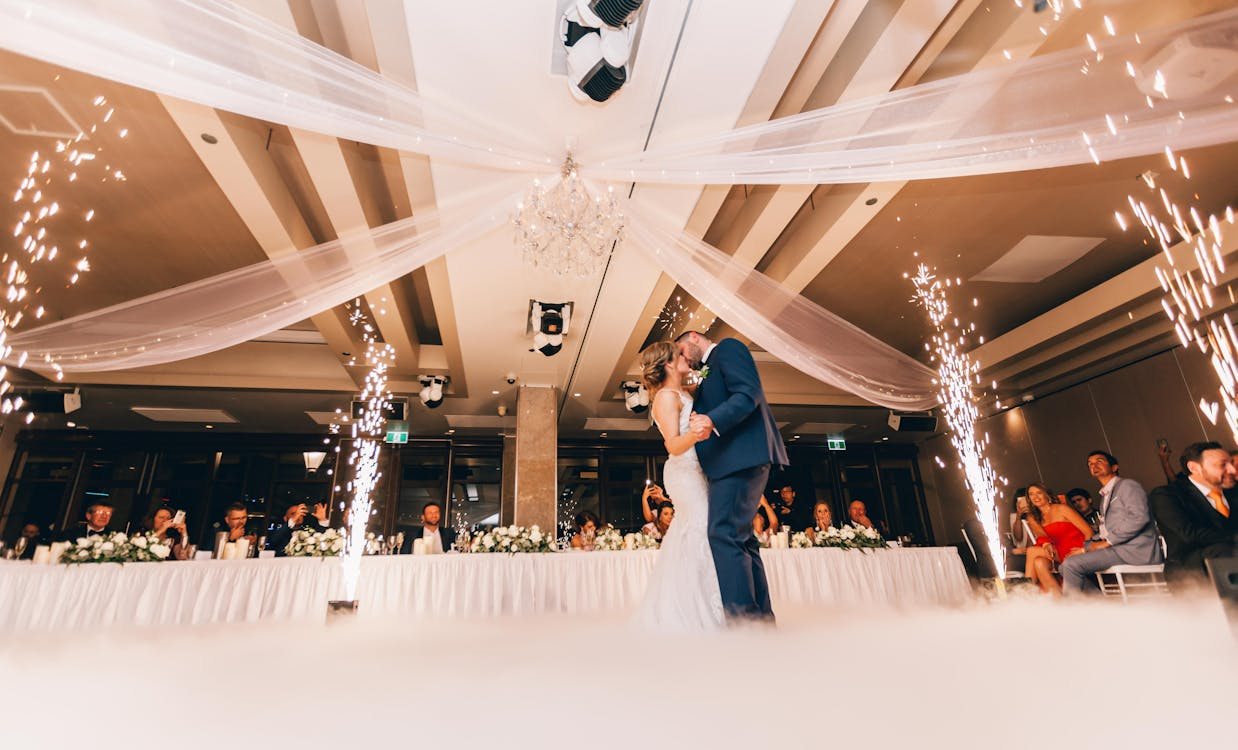
This guide breaks the entire topic into six parts you can actually use, from pre-wedding decisions to ceremony moments, reception flow, and even wedding etiquette speeches.
Nothing formal or old-school unless it still matters. Just clear, modern guidance that helps you avoid awkwardness and focus on celebrating.
30 Wedding Etiquette Rules You Can Actually Use Today
Wedding etiquette doesn’t need to feel old-fashioned or overwhelming.
These guidelines break everything into simple, practical moments across your big day: from planning to the ceremony, reception, speeches, and what couples should remember along the way.
a. Pre-Wedding Etiquette
The months before the wedding set the tone for everything that follows.
Good pre-wedding etiquette is less about “rules” and more about making sure people aren’t confused, stressed, or left guessing.
These guidelines help you communicate clearly, avoid uncomfortable moments later, and create a smoother experience for everyone involved.
1. Send invitations early enough for people to plan
“Six to eight weeks” worked when most guests lived nearby. Life looks different now. For proper wedding etiquette today, plan for:
- 8–12 weeks for local weddings
- 3–6 months for destination weddings
This gives guests enough time to compare travel costs, arrange childcare, request leave from work, or coordinate outfits.
People appreciate notice, and giving them time reflects genuine consideration.
2. Be clear about who is invited
One of the biggest sources of pre-wedding tension is guest list confusion.
Traditional wedding etiquette still applies here: the names on the envelope communicate exactly who is invited.
- “John and Maya Smith” = adults only
- “The Smith Family” = kids included
- “John Smith + Guest” = a plus-one
Being precise avoids awkward messages like “Can I bring my cousin?” and keeps people from feeling unintentionally excluded.
Clear communication is always kinder than assumptions.
3. Don’t pressure people to attend
Weddings are joyful, but they’re also expensive for guests.
Flights, hotels, outfits, childcare; sometimes people simply can’t make it. Proper wedding etiquette means respecting their reality.
If someone declines, the best response is something warm and simple like:
“We’ll miss you, but thank you for letting us know early.”
No guilt. No “But it’s my big day.” Grace is part of modern wedding courtesy.
4. Share dress code guidelines without being strict
People genuinely want direction. No one wants to show up underdressed or accidentally outshine the wedding party.
Instead of rigid rules, set a tone such as:
- “Garden semi-formal”
- “Black tie optional”
- “Festive cocktail”
This gives guests a framework but still respects personal style, cultural attire, and comfort.
Traditional wedding etiquette used to be more prescriptive; modern etiquette leans toward flexibility and inclusivity.
5. Be honest about expectations for gifts
Gift awkwardness happens because people fear guessing wrong. A simple, gentle approach removes the pressure:
“Your presence is more important than any gift, but if you’d like ideas, here’s our registry.”
This follows proper wedding etiquette by honoring every guest, including those on a budget, while still offering guidance for anyone who prefers structure.
Transparency always feels better than guessing games.
b. Ceremony Etiquette
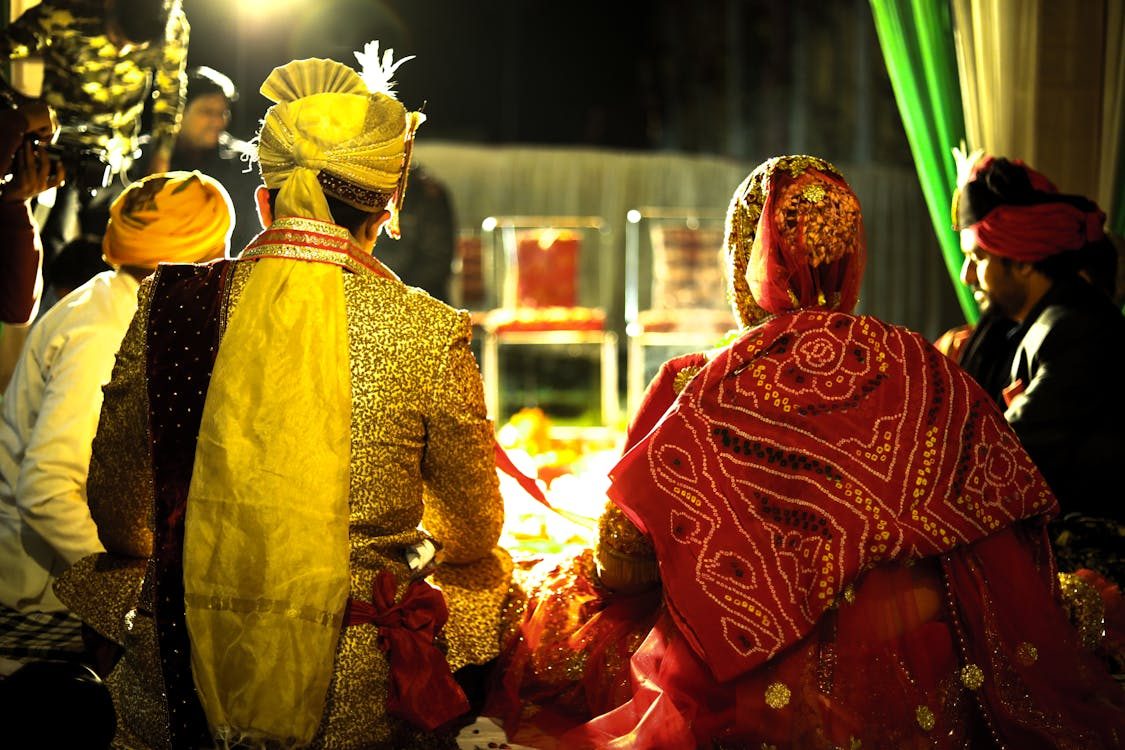
The ceremony is the emotional center of the wedding: the part everyone remembers.
Proper wedding etiquette here is about creating comfort, clarity, and flow so guests feel welcomed instead of confused, rushed, or left standing around.
These small details shape how smoothly the moment unfolds.
6. Start as close to on time as possible
A brief delay is normal. 10 minutes? Fine.
20 or 30? Guests start shifting, elderly relatives get uncomfortable, and nerves spike for everyone, including you.
Starting reasonably on time is one of the simplest yet strongest signs of respect.
If your ceremony involves livestreaming or remote guests, increasingly common thanks to services like Courtly, staying on schedule matters even more, because people across time zones are waiting in real time.
When the couple is punctual, the entire day stays calmer, warmer, and more intentional.
7. Unplugged or not — decide in advance
Traditional wedding etiquette leans “unplugged,” but today, couples are split.
Some want photos without phones blocking the aisle. Others love candid guest snapshots. Either choice is valid; what matters is communicating it clearly.
A simple sign at the entrance or a line from the officiant (“We invite you to enjoy this moment without devices”) avoids the uncomfortable feeling of being reprimanded mid-ceremony.
Give guests clarity, not surprises.
8. Let ushers guide seating instead of leaving guests guessing
Guests should never have to ask: “Where do we sit?” A few ushers or designated helpers smooth everything instantly.
They can handle:
- Family rows
- Special seating for elders
- Making sure the front rows aren’t awkwardly empty
- Seating late arrivals discreetly
Proper wedding etiquette is about removing friction. Guided seating makes everyone feel taken care of from the moment they walk in.
9. Keep aisle décor beautiful — but safe
Tall candles, oversized florals, uneven rugs, or narrow pathways look elegant in photos… and dangerous in real life. Make sure the aisle is wide, stable, and easy to walk.
Think about:
- Elderly relatives
- Anyone in heels
- Kids in the wedding party
- Guests with mobility concerns
The most thoughtful ceremonies balance aesthetics with practicality. Beauty shouldn’t come at the cost of someone tripping.
10. Make accessibility part of planning, not an afterthought
Inclusive weddings are simply better weddings. A few thoughtful choices go a long way:
- Wheelchair-accessible entry and seating
- Reserved front-row chairs for elders
- Quiet areas for guests who may get overstimulated
- Shade or water if outdoors
- Clear aisle space for mobility aids
Proper wedding etiquette isn’t just tradition; it’s care. When guests feel safe and included, the whole ceremony becomes warmer and more memorable.
c. Reception Etiquette

The reception is where nerves settle, shoes come off, and everyone finally relaxes. But even the most joyful party can feel chaotic without a little structure.
Proper wedding etiquette here is about making the evening feel effortless for your guests, your vendors, and for you.
11. Feed your guests at a reasonable hour
Nobody enjoys a celebration when they’re starving.
If guests arrive at 6 pm and the first plate appears at 9:30, people stop enjoying the night and start checking their watches.
Serve dinner within 60–90 minutes of arrival.
If photos or traditions delay things, offer passed appetizers or grazing tables so guests don’t run on empty.
Traditional wedding etiquette always emphasized hospitality; today, it matters even more because people often travel long distances to be there.
12. Keep lines (bar, buffet, photos) manageable
Nothing kills the mood like a 25-minute wait for a drink.
Spread out bars, position buffets on both sides, and tell your photographer to avoid creating a photo queue that snakes around the room.
It’s a small detail, but it dramatically changes the guest experience.
Good reception etiquette is simply good flow.
13. Introduce your vendors
Your DJ, photographer, planner, videographer, and catering team are running the show behind the scenes.
They need to know:
- The timeline
- Key family members
- Special cues (like cultural traditions or surprise dances)
- Any guests with accessibility needs
When vendors aren’t aligned, moments get missed or delayed. When they’re looped in, everything feels seamless; exactly what proper wedding etiquette aims for.
14. Avoid long gaps between events
People don’t need constant entertainment, but they do need rhythm.
If there’s a long lull, no music, no drinks, no movement, guests get restless. They leave the room, lose energy, or disengage.
If you need time for portraits, keep the bar open, arrange light snacks, or have your DJ play something warm and inviting.
A good reception flows like a conversation, not a stop-and-start timeline.
15. Share important announcements clearly
Your guests want to participate; they just need to know when. A simple mic announcement before:
- First dance
- Cake cutting
- Speeches
- Bouquet toss
- Special cultural rituals
…keeps everyone included and avoids that awkward scramble where only half the room knows what’s happening.
Great wedding etiquette helps everyone feel part of the moment, not observers from the back row.
d. Wedding Etiquette for Speeches & Toasts

Speeches are one of the most emotional parts of a wedding: they can lift the room, make people laugh, and set the tone for the celebration.
But they can also go wrong quickly without a little structure.
Good wedding etiquette speeches follow simple principles that keep the moment meaningful, not messy.
16. Keep wedding speeches short
People underestimate how long five minutes actually feels in a quiet room.
A good speech lands quickly: one meaningful story, one warm message, and a clear ending.
The deeper rule here is consideration. Long speeches push dinner late, delay other toasts, and strain guests who are already on their feet.
The most memorable wedding etiquette speeches are the ones that leave people smiling, not checking their watches.
17. No private jokes that guests won’t understand
Inside jokes feel like whispers in a crowded room; most guests are left wondering what’s going on.
A strong speech uses a universal moment: how the couple supports each other, how they first met, a moment that revealed their character.
Depth comes from insight, not secrecy.
If guests understand the story, they connect emotionally. If they don’t, the speech feels exclusionary, which breaks proper wedding etiquette.
18. Avoid alcohol-heavy speeches
You don’t need to be stiff or formal; you just need to be coherent.
A lot of speeches go off the rails because the speaker had “just one more drink” before grabbing the mic.
Slurred stories, forgotten points, or accidental oversharing can change the entire mood of a reception.
The deeper etiquette rule: Show the couple the respect of being fully present for a moment that actually matters.
19. Don’t embarrass the couple
This is where depth matters most.
A wedding speech isn’t stand-up comedy. It isn’t a roast. And it definitely isn’t the time to bring up old partners, wild college stories, or jokes that only a handful of people find funny.
Embarrassing the couple:
- shifts the focus away from love and toward discomfort
- forces the couple to laugh politely while dying inside
- creates tension that lingers long after the speech ends
Instead of “entertaining the room,” the goal is to elevate the couple.
20. End with a true toast
A strong ending matters.
Most speakers trail off because they don’t plan how to finish.
A real toast, “Here’s to a lifetime of…”, gives every guest a clear cue to raise their glass and share one collective moment of celebration.
It ties the speech together, gives guests closure, and keeps the reception’s emotional flow intact.
Good etiquette is about intention, and a clean, confident toast shows you respected the moment.
e. Proper Wedding Etiquette for Couples
Every couple spends months planning a wedding, but what people remember most isn’t the décor or the menu; it’s how the couple made everyone feel.
Proper wedding etiquette for couples isn’t about following stiff traditions; it’s about being gracious, present, and aware enough to make the day smooth for yourselves and the people who came for you.
21. Thank your guests early and often
A generic “thank you for being here” from the stage is nice, but not enough anymore.
Guests travel, take time off work, spend on outfits and childcare, and often build their weekend around your wedding.
Deep etiquette means:
- Greet key people personally before the night gets busy.
- Make eye contact, hold hands, hug; whatever feels natural.
- Thank older relatives early before they get tired and leave.
- Acknowledge long-distance travelers with a personal moment.
People remember when the couple noticed them, not just addressed a crowd.
22. Introduce relatives and close friends to each other
Most weddings bring together people who have never met: school friends, work friends, cousins, in-laws. Guests often feel shy or unsure where they fit.
Proper etiquette means taking the lead:
- Introduce people with context (“This is Sam — we worked together for four years”).
- Make sure no one is standing alone during cocktail hour.
- Loop family members in if tensions or divorced parents require sensitivity.
- Ask your wedding party to host small groups so you’re not the only social bridge.
Your effort sets the tone: warm, easy, and welcoming.
23. Don’t micromanage every moment
Couples unintentionally sabotage their own day by treating it like a production instead of a celebration.
The most common etiquette slips come from stress, not intention: checking the timeline every 10 minutes, reassigning seats, hovering over vendors, or obsessing over small imperfections.
Modern wedding etiquette encourages the opposite: trust the professionals you hired.
Your planner, coordinator, photographer, DJ, and service staff know how to run a wedding better than any couple can on the day itself.
When you let go of micromanaging, three things happen:
- The event flows more naturally
- Vendors work more smoothly without feeling monitored
- You show up in photos calmer, happier, and fully present
And here’s the truth couples don’t hear enough: the more stress you remove before the wedding, especially legal tasks like securing the marriage certificate, the easier it is to stay relaxed on the actual day.
If you’d rather not juggle courthouse visits or last-minute paperwork, an online legal ceremony through Courtly clears that burden early so your wedding day can stay emotional, not administrative.
24. Eat something
Most couples don’t eat. It’s a real problem: exhaustion, dizziness, irritability, and even fainting happen more often than people admit.
Proper etiquette includes taking care of yourselves so the night stays joyful. Deeper guidance:
- Have your planner arrange a private mini-meal post-ceremony.
- Ask the catering to deliver a plate to a quiet corner before guests enter the reception hall.
- Drink water between rounds of meeting guests.
- Avoid drinking on an empty stomach: it affects your speech, energy, and photos.
When couples look tired, the entire room feels it.
25. Stay connected to each other — not just your guests
Many couples look back and say, “We barely saw each other the whole night.” It happens because weddings pull you apart: one of you greets family, the other talks to work friends, and you meet again at the last dance.
Intentional etiquette keeps you united:
- Walk into the cocktail hour together and greet groups as a pair.
- Take a 5-minute breather alone before your entrance.
- Do a private cake bite or slow dance away from cameras.
- Sit next to each other during speeches and meals; don’t split tables.
Your wedding is the start of a marriage, not a hosting marathon.
f. Traditional vs Modern Etiquette (What Still Matters Today)
Weddings come with decades of old rules: some comforting, some outdated, some flat-out irrelevant now.
Modern couples often feel torn between respecting tradition and shaping a day that feels real to them.
The truth is simple: etiquette evolves, but its foundation stays the same: thoughtfulness, clarity, and kindness.
Here’s how old rules translate into today’s reality.
26. Traditional rule: Parents pay → Modern rule: Whoever can, contributes
For generations, “proper wedding etiquette” assumed the bride’s parents funded the wedding.
Life looks different now: couples marry later, families are blended, and financial realities vary widely.
Modern etiquette says the “right” way is the one that prevents strain: emotional or financial.
Some couples pay for everything themselves. Others split costs with parents. Some families cover a single element (like photography or catering).
What matters today:
- Have an honest conversation early
- Be clear about boundaries
- Never shame anyone who can’t contribute
The most respectful etiquette is whatever keeps relationships intact, not whatever an old rulebook dictated.
27. Traditional rule: Bride’s side sits left → Modern rule: Sit wherever you want
The old rule came from a time when families stayed divided both physically and symbolically. Today, couples value connection over formality.
Mixed seating, where families, friends, and communities blend together, is far more common and often feels more welcoming.
It also relieves guests of the awkward moment of choosing “the right side.”
Modern proper wedding etiquette is simple: let people sit where they’ll feel most comfortable.
28. Traditional rule: White dress → Modern rule: Wear what feels like you
White once symbolized purity; now it’s simply an option among many.
Brides and marriers choose champagne, blush, silver, gold, ivory, pastel tones, bold color, or even black. Cultural dresses, fusion outfits, jumpsuits, or contemporary silhouettes are all embraced.
The modern standard: authenticity beats symbolism.
Wearing a color or style that feels true to you photographs better, feels better, and tells a more honest story of your personality.
Etiquette today revolves around meaning, not strict palette rules.
29. Traditional rule: Matching bridal party → Modern rule: Same tone, different styles
Uniform dresses and suits were once the norm, but comfort and self-expression matter more today.
Mismatched looks, same palette, different styles, allow each person to feel confident, comfortable, and represented.
This shift isn’t about breaking rules; it’s about respecting the people standing beside you.
Proper wedding etiquette has expanded to prioritize inclusivity:
- Let people choose what flatters their body
- Set a color story, not a single dress
- Give freedom in fabric, length, or pattern
Photos often look more dynamic and elevated when everyone wears what suits them best.
30. Traditional rule: Strict etiquette → Modern rule: Kindness leads
Old etiquette sometimes prioritized “correctness” over compassion: rigid scripts, formal seating, outdated expectations, and gendered roles.
Modern etiquette flips this entirely: kindness is the real rule.
That means:
- Communicating clearly with guests
- Respecting limitations (financial, emotional, cultural)
- Being inclusive of blended families, LGBTQ+ couples, and diverse traditions
- Making choices that reflect the couple’s values, not pressure
The heart of traditional wedding etiquette, courtesy, respect, and consideration, still matters.
But everything else can evolve to fit who you are as a couple.
Conclusion: Wedding Etiquette That Actually Feels Good to Follow
Wedding etiquette doesn’t exist to box you in or force you to follow outdated traditions.
At its core, it’s simply about making people feel considered: your guests, your families, and each other.
The best weddings feel warm, organized, and thoughtful, not perfect.
Most of the etiquette rules that matter today come down to clear communication, respect for everyone’s comfort, and small decisions that keep the day flowing smoothly.
Use these 30 guidelines as a foundation, then shape them to fit your personality, culture, and preferences.
If a rule feels meaningful, keep it. If it feels outdated, let it go. Your wedding should look like you, not like someone else’s checklist.
And if you want a ceremony that’s just as thoughtful as your planning, options like Courtly’s online, legally recognized weddings make it easy to build a day that fits your style and your life.
Enjoy planning, enjoy celebrating, and remember: the point is not to get everything “right.”
The point is to feel present, loved, and supported on a day you’ll remember forever.
Try Courtly if you want a simple, modern way to make your marriage official without the stress.
FAQs
1. What is considered proper wedding etiquette today?
Proper wedding etiquette today is less about rigid rules and more about respect: clear invitations, comfortable timelines, good communication, thoughtful seating, and making sure guests feel included. It blends traditional expectations with modern flexibility so the celebration feels natural, not forced.
2. Is traditional wedding etiquette still relevant for modern weddings?
Yes, but only the parts rooted in kindness and clarity. Traditional wedding etiquette about seating, attire, and timelines can be helpful, but most couples customize these rules. What matters is choosing the version that fits your culture and comfort.
3. What makes a good wedding etiquette speech?
Good wedding etiquette speeches are short, warm, and personal without crossing into embarrassing territory. A clear story, a moment of appreciation, and a heartfelt toast are usually all you need to make guests smile and keep the energy of the event intact.
Let us handle the paperwork.
Getting married is complicated. Courtly simplifies the process and provides everything necessary to get married online, including providing a licensed officiant who can perform a remote ceremony.
Get Married

Get married online.
Getting married is complicated. Courtly simplifies the process and provides everything necessary to get married online.

